World Sake Brewery Ranking 2021 Rankig Top 50 Delicious Sake

Suddenly, I have a weakness for titles.
It’s “World Sake Brewery Ranking Top 50 Awarded. When I hold it in my hand, I have already decided to buy it.

  1. Yamahoushi Junmai Ginjo Tamanae Namaeshu
  2. What is Shuzokotekimai
  3. Evaluation
  4. Mackenzie cheese

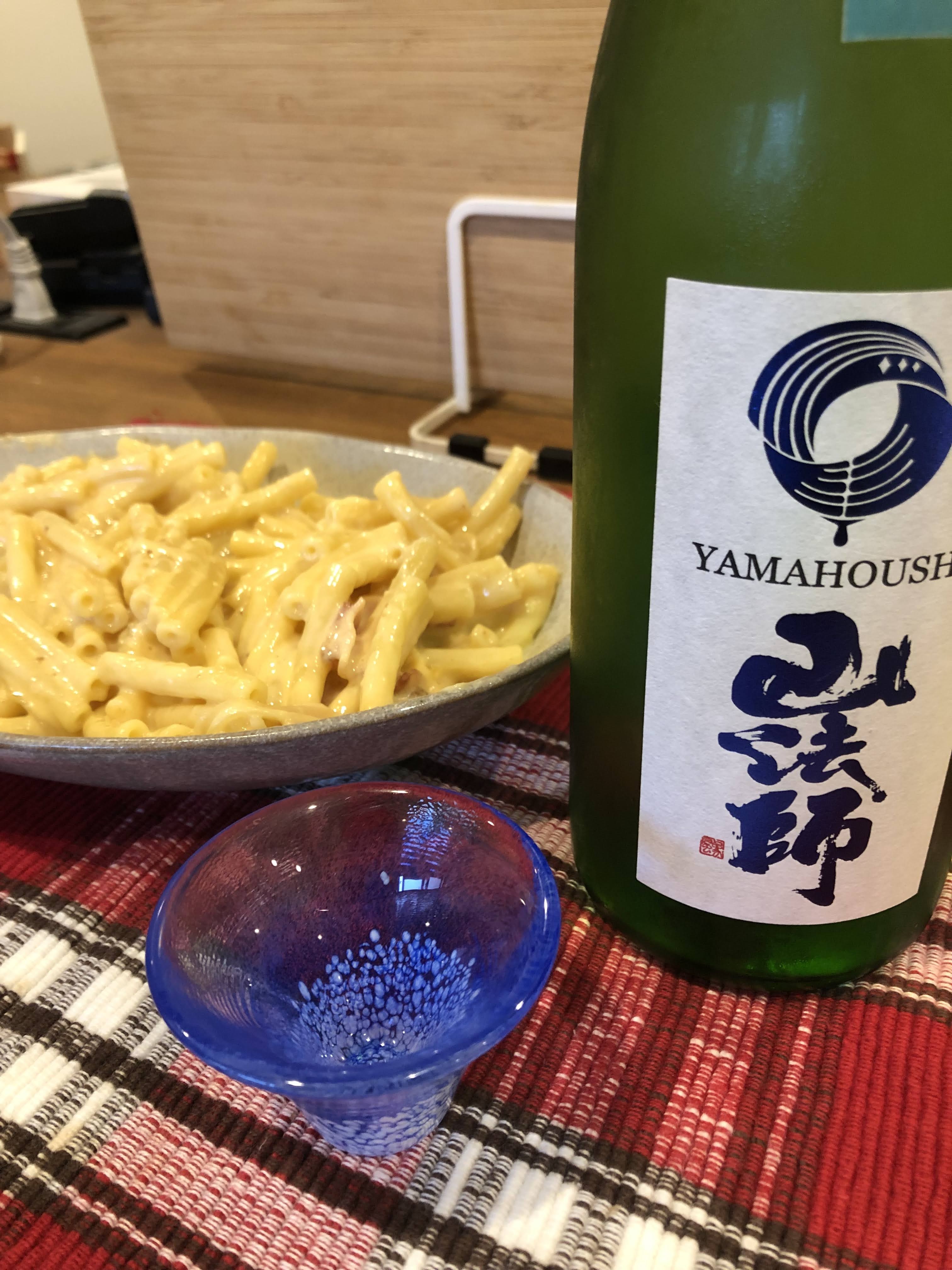
Yamahoushi Junmai Ginjo Tamanae Namaeshu

Yamahoushi Junmai Ginjo sake
Yamahoushi Junmai Ginjo

I did a little research on the brewery.

The brewery, Rokkasen, has won quite a few different titles. The brand name “Temahisa” seems to have won a lot of awards, but it is not cheap because of the paulownia box. It looks like it was made for a sake competition.

This junmai ginjo sake is made from 100% Yamashu No. 4 (Tamanaoe) grown by local high school students. Yamashu No. 4, a crossbreed between Yamada-Nishiki and Kinmon-Nishiki, has a full-bodied, umami taste, but also has a sharpness to it.

Rokkasen Official Website

What is Shuzokotekimai

Shuzokotekimai is rice grown for sake brewing. The rice itself is different from the rice we normally eat and is not suitable for eating. The most major type of rice is probably Yamada-Nishiki.

It is one of the varieties of rice suitable for sake brewing. It is a cross between Yamada-Nishiki and Kinmon-Nishiki, and was bred in 1983 by Yamagata Prefectural Murayama Agricultural High School (at that time). It is nicknamed “Tamanae”.

Although information is scarce, it is Yamagata’s representative rice for sake brewing.

The characteristics of the rice determine the direction of the flavor to some extent, but from here it changes depending on the koji and the flavor the brewer is aiming for.

There are many other types of rice suitable for sake brewing.

“Yamadanishiki” and “Gohyakumangoku” make up more than 60% of the total. Yamada-Nishiki and Gohyakumangoku make up more than 60% of the total.
If you remember these two names first, you will recognize that you are using good raw materials.

Yamahoushi Junmai Ginjo cap
Yamahoushi Junmai Ginjo
Yamahoushi Junmai Ginjo cap

Old type. Don’t cut your hand.

Cherry” representing Yamagata

Open the bottle

Open the bottle

Yamahoushi Junmai Ginjo

The aroma is good, the ginjo aroma is not too strong and is brewed subtly.

Gulp!

Japan ranking 317th
Yamagata Prefecture Ranking 18th

Comment A:
Dry. Slightly chili. Goes well with meals. Just right for hot days.

Evaluation

Yamahoushi Junmai Ginjo evaluation

Banana, fruity. The aroma is well controlled and not too strong, so it is a good sake for a mealtime drink. It is easy to drink. It is a refreshing and light sake with a crisp finish and no cloying taste. Overall, the sense of alcohol is kept in check. It is a sake that can be drunk for a long time. The price is reasonable. Recently, this kind of taste is compared to that of white wine, and it certainly seems to be comparable. The main difference between white wine and sake is the lactic acidity of sake (in my opinion), while the sweetness of white wine seems to be weaker due to its astringency. The process of making and ingredients are different, so I don’t think it’s a good idea to compare the two.

Mackenzie cheese

Mackenzie cheese
Mackenzie cheese

I made an American home-cooked Mackenzie cheese.

As with white wine, Yamaboshi is not bad with cheese.

Sake and cheese are not a bad match, since both are originally fermented foods and have a similar acidity to each other, mainly lactic acid. We recommend pairing the darker cheeses with sake to reset them. However, sake is an alcoholic beverage that is drunk a little at a time rather than in large quantities. It has a slightly sweet taste, and it is possible to become bored with the sweetness.

It was another good day.

Click here for other Tohoku→Here

Thank you for reading to the end. Please don’t forget to bookmark this page.

  1. porntude's avatar
  2. click here's avatar

Dry sparkling. Is it wine-like in flavor?

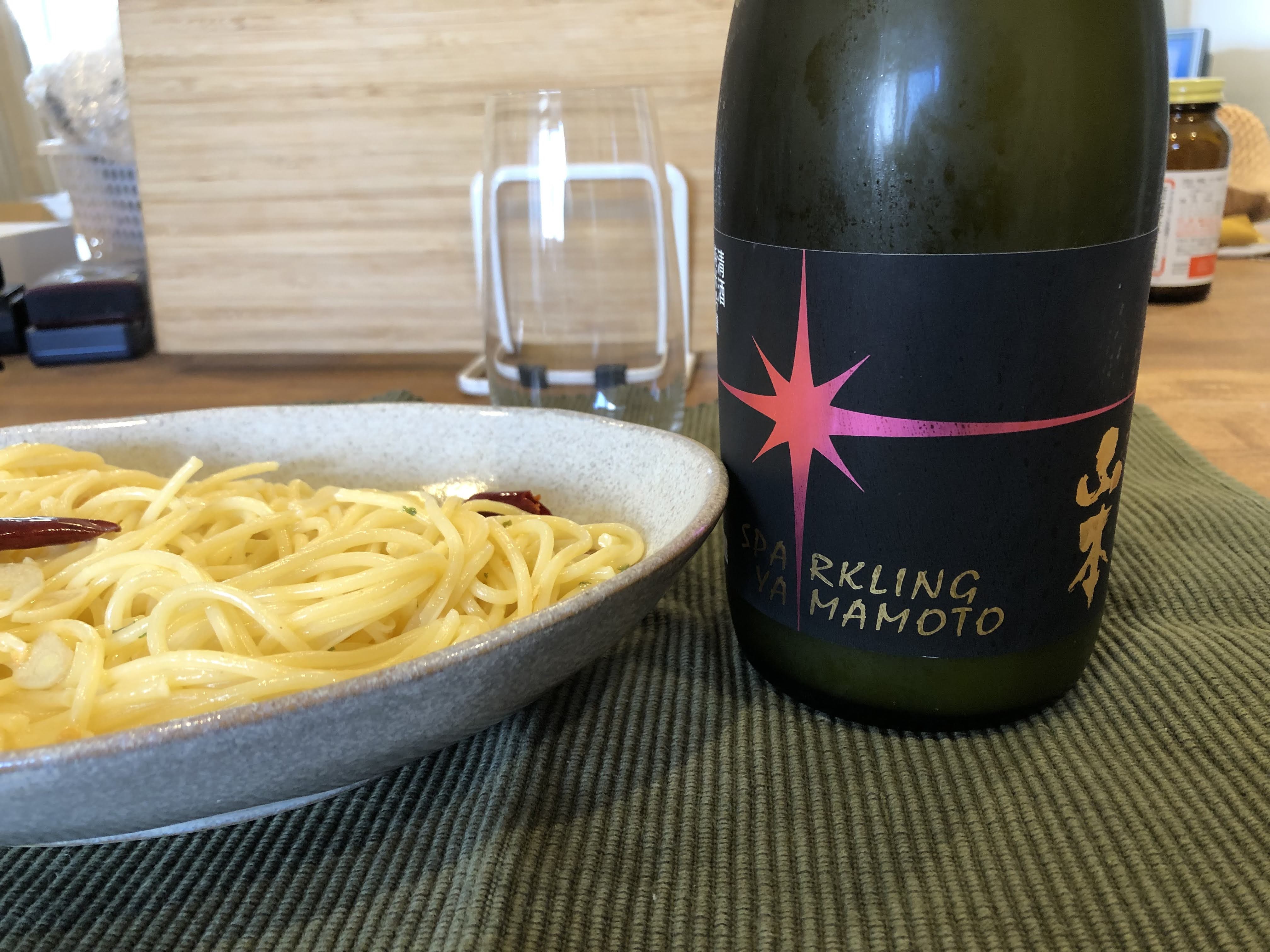
Sparkling is my favorite. There are not many kinds. That’s one thing. Other brands are usually similar. In the midst of such a situation, I made a new search for a new liquor store. I drank “Super_spaicy” before. I found a sparkling one from the “Yamamoto” series. I immediately secured a bottle.

  1. Yamamoto Sparkling
  2. The brewer speaks
  3. Be careful with gassing
  4. What is Ori?
  5. Taste Evaluation
  6. Today’s snack

Yamamoto Sparkling

Yamamoto Sparkling
Yamamoto Sparkling

Sparkling gold letters and a star mark

Yamamoto Sparkling
Yamamoto Sparkling
Yamamoto Sparkling
Yamamoto Sparkling

It is a junmai Ginjo, isn’t it? It’s a junmai ginjo. To be honest, it is moderately difficult to find a difference than regular sake with carbonation.

The brewer speaks

As I mentioned before, this brewery sells only one brand name “Yamamoto”. The sound quality is good.

It is pink. Like other sake, I think the color of the label of Yamamoto Sake Brewery is tasteful.
Old type.

Be careful with gassing.

Here is an incident.

Yamamoto Sparkling
Yamamoto Sparkling

It was an outburst. I haven’t seen this since Coca-Cola. Considering the price of the overflowing liquid, I can’t shake the sense of disappointment.

Yamamoto Sparkling
Yamamoto Sparkling

With this secondary outburst in the bottle, …be careful about the yeast carbon dioxide gas.

Yamamoto Sparkling
Yamamoto Sparkling

Actually, it is not limited to sparkling. Previously, “Akabu” suddenly exploded inside a bag while traveling by train. While traveling in a car, the cork suddenly popped open like champagne and the contents overflowed. This is the reason why you will be hit by carbonation unexpectedly.

The bottle was protected by a special stopper, but… the inside of the bottle was full of bubbles from the outburst…

This is unexpectedly cloudy. It must be nigori sake. There are some residues which called Ori.

What is Ori?

Ori is the white precipitate that remains after the unrefined sake has been strained to a certain extent with a fine cloth, etc. Sake bottled without removing the orizumi is called orizake. Sake bottled without removing the tailings is called origarami.

Sparkling Yamamoto Extra dry and active sake. It is slightly sweet when bottled, but then the live yeast feeds on the sugar and undergoes a second fermentation in the bottle, transforming it into a dry sparkling sake. It is characterized by the lack of residues and the smoothness on the palate. The ingredients are the same as for Pure Black.

From Yamamoto Brewery Official Site

Sip it!

Japanese Ranking 27th
Akita Prefecture Ranking 3rd

Comment A:
Yamamoto’s Sparkling
It was a little too strong, with the nigori (rice) flavor coming to the forefront.
It is not high in alcohol content, but has a strong flavor, so it is just right to drink with a chaser.

Comment B:
It’s perfect for summer, too, the sizzling type.
It tastes like plain yogurt, with less sweetness.
The trick to uncorking it is to put it in the freezer for about 5 minutes.

Taste Evaluation
Yamamoto Sparkling evaluation

Nice lactic sweet and sour taste. It’s changed from yogurt sweetness to characteristic spiciness and sharpness. Since I drank “Do-hai” once, it is very easy to understand Yamamoto’s unique spiciness. The mouthfeel is sparkling, but the finish is clean and refreshing, and the taste is like an adult amazake with a sharpness added. It is so easy to drink that it ranks high among sparkling sake that I would like to drink until now. It is good as an aperitif, but it also goes well with spicy food to mouthwash the spiciness of spicy food.

Today’s snack

This time I made peperoncino with leftover ingredients from the fridge, and when I got carried away and added more chili peppers, it was spicy hot. I drank some gubi gubi Yamamoto to go along with it, and in no time at all, I was drunk. Sweat broke out on my scalp, but sparkling sake is not a bad match for pasta.

I put too much chili pepper in. It was another good day.

Click here for other Tohoku→Here

Thank you for reading to the end. Please don’t forget to bookmark this page.

  1. porntude's avatar
  2. click here's avatar

Do homemade pizza and sake taste good together?

I wander to the liquor store I always go to. It is my habit to wander around several liquor stores, and if the weather is nice, I sometimes spend half a day on my bicycle to get some exercise.

Oh, the label is easy to imagine the taste!

  1. Kameizumi Junmai Ginjyo
  2. How to read the “Taste” ingredient table
  3. Taste Evaluation
  4. Bacon cheese potato pizza

Kameizumi Junmai Ginjyo

Kameizumi Junmai Ginjyo

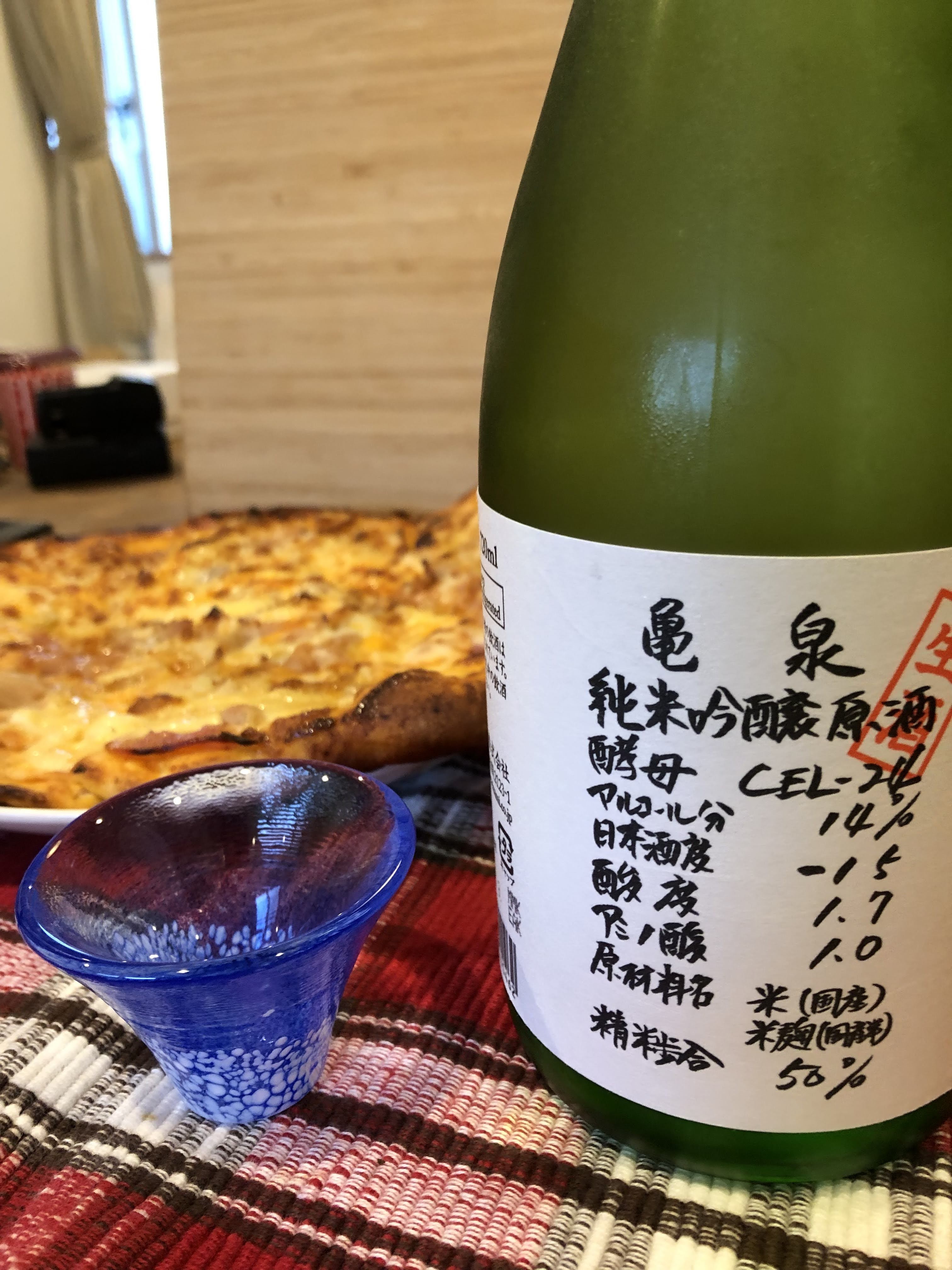
This label shows the taste of sake.

Sake from Kochi Prefecture

Kameizumi Junmai Ginjyo

How to read the “Taste” ingredient table

Kameizumi Junmai Ginjyo

Sake degree, acidity, and amino acidity.

 Not many of these values are indicated on the label.

Sake meter value (Sake degree)(日本酒度)

The higher the negative value, the spicier the sake is said to be.

Acidity. A rough guide to the degree of sweetness or spiciness (酸度)

The average acidity is around 1.3. The higher the acidity value, the tighter, spicier and darker the sake tastes, and the lower the acidity value, the sweeter and paler the sake tastes.

Amino acidity. A measure of complexity
(アミノ酸)

Amino acids are an important component of flavor. The higher the amino acidity, the more complex the flavor, and the lower the amino acidity, the lighter and lighter the flavor.

Sake degree -15 Acidity 1.7 Amino acidity 1.0

The average sake ginjo-shu has a Sake meter of +3.1, an acidity of 1.32, and an amino acidity of 1.2, so compared to these values, this sake tastes dry, dark, and a little light.

This means that it tastes like a drinker’s favorite.

However, this is an objective figure. Each person has his/her own way of feeling. 

Kameizumi Junmai Ginjyo
Kameizumi Junmai Ginjyo Cap
Kameizumi Junmai Ginjyo
Kameizumi Junmai Ginjyo Cap

Screw cap.

Open the bottle.

Gulp it down!

Japanese Ranking 50th
Kochi Prefecture Ranking 2nd

Comment A: refreshing and fruity

Comment B: The sweetness and acidity around with the aroma.
Refreshing to the aftertaste.

Taste Evaluation

Impression is a fruity taste with banana-like sweetness. You can feel the sweetness of the rice. The finish is a bit complex. It is not sharp enough to be called “light,” but rather the aroma comes through to the end and the taste is multi-directional and complex. I like dry sake, so I may have found it sweeter than others.

The aroma stands out strongly and the perfect balance of acidity and sweetness tastes like a white wine.

Bacon cheese potato pizza
pizza
pizza
pizza
pizza

I made bacon cheese potato pizza with the leftover ingredients.

It looks bad, but it is quite tasty.

It is not a bad match with sake, but I will verify if there are more other pairings.

Click here for other West Japan→Here

Thank you for reading to the end. Please don’t forget to bookmark this page.

  1. porntude's avatar
  2. click here's avatar

I got a great sake. Will “Hiroki” suit my lips?

Recently, a new liquor store was added. We added one more store than our usual routine. The owner runs the store by himself.

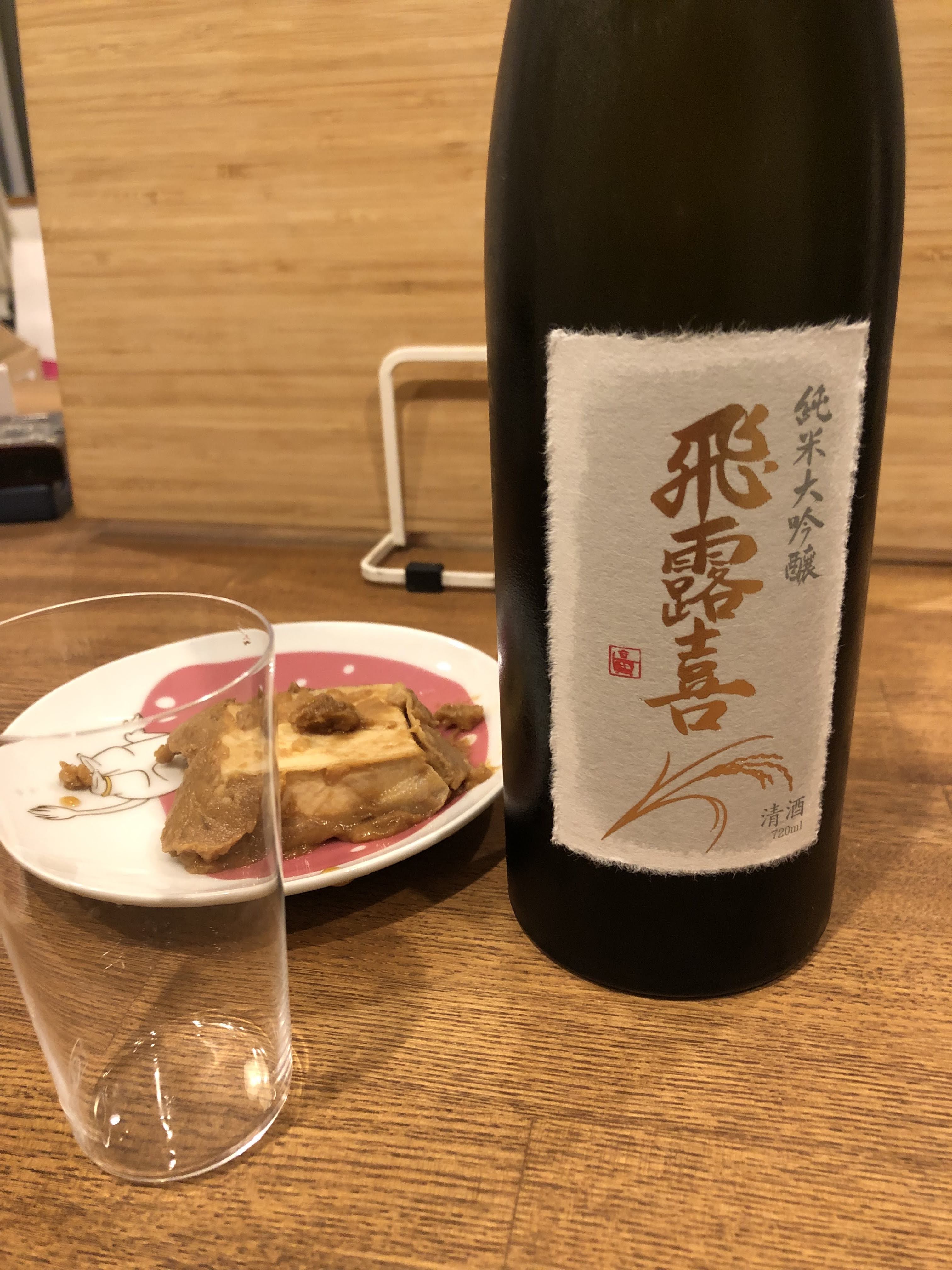
I look up and see a rare sake. There was a rare “Hiroki,” a sake that is rarely found. I looked at the price and saw that it was a combination price. No, when you think about it in the long journey of life, the price of 2 bottles for 3,000 yen is a moment in your life. So I bought it!

So I bought it!

  1. Hiroki Junmai Daiginjyo
  2. What is ”koji rice” and “kakemai rice”?
  3. Taste Evaluation
  4. Miso-dipped cream cheese

Hiroki Junmai Daiginjyo

Hiroki Junmai Daiginjyo

It is rice. It is not flashy, but the color of earth and rice. The rice is golden. It has been a long time since I have bought sake in a decorative box.

Hiroki Junmai Daiginjyo

I always ask, “Do you want me to put it in a bag?” I am asked. I answered, “I’ll put it in my backpack, just the cushioning material please,” but I was countered, “It’s fine, it’s in a decorative box. I was counterpunched.

Saketime had an interesting article on this. It’s popular now, but at one time they were on the verge of bankruptcy. And then to popular sake.

At that time, there were no sake breweries that made unfiltered, unpasteurized sake as their signature sake. That’s why ‘freshly pressed’ became the catchphrase for Hiroki,” Hiroki recalls.

From Saketime

It seems that today, by chance and through various efforts, we have obtained it.

Now it seems that production and quality issues have come up.

Such is the thought that comes to mind. But sake drinkers just eat sake.

Hiroki Junmai Daiginjyo

What is koji rice and kakemai rice?

The description of the raw filling has been explained before.

  • Koji Rice

Koji rice is white rice used to make rice malt. Koji rice is steamed to make “steamed rice,” in which koji mold is propagated to saccharify starch. In the sake brewing process, enzymes secreted by koji mold break down starch into glucose and other sugars, and the glucose is converted into alcohol by yeast.

In short, it is the rice that is the source of rice koji.

Incidentally, “sake rice” is generally used for all koji rice.

  • Kakemai

“Kakemai” refers to the rice used in the sake brewing process called “unrefined sake making. Simply put, unrefined sake is the thick liquid from which sake is made.

Hiroki Junmai Daiginjyo

Oh, it’s rice harvesting, isn’t it? Are you a farmer?

Hiroki Junmai Daiginjyo

Old cap

Don’t cut your hand.

Hiroki Junmai Daiginjyo

Ginjo aroma So far, I don’t feel much difference from the sake so far.

Hiroki Junmai Daiginjyo

Gubi.

Japan Ranking 20th
Fukushima Prefecture Ranking 2nd

Comment: A
I knew this sake was good!

Comment: B
A little luxury sake for an ordinary day.
It is clear, smooth and clean. At first, there is a hint of sweetness, then a firm pungency, bitterness, astringency, and acidity. They do not mix together and become a cloying taste, but rather each has a strong presence.
Despite this, it has a cohesive impression and is well balanced. It is easy to drink.
It is perfect as a food sake. The higher the temperature, the stronger the initial sweetness becomes, and you can feel the taste and fullness of the sake more gradually.
It is a delicious sake that does not make you tired of drinking.

Taste Evaluation

Hiroki Junmai Daiginjyo Chart

The sharpness from the Ginjo. The drink is dry. Slightly sweet from the dryness with a sense of lightness. Straight with little miscellaneous flavors and a lot of extension. The aroma that emerges is kept at a good level and the taste is deep and sharp. It is close to my former favorite, “Senshin”. It is easy to drink. The drinkability is outstandingly good. Because of its aroma and sharpness, it may be good as a mouthwash, although the dishes it goes well with may be too thick or too rough. However, because I drink a lot of different kinds, I can’t say whether it tastes absurdly easy to understand or not, but I can’t help feeling that it is similar to any of them.

Miso-dipped cream cheese

Miso-dipped cream cheese sold at the store with me.

Sorry for the package. I missed taking the contents.

Cream dipped in miso.
You can smell the smell of miso more than cheese. Japanese people’s brain remembers that it tastes better when it smells a little.
The taste is sweet and salty. The sweetness of the miso mixed with the sweet sourness of the cheese makes it a perfect match for sake.

I just get excited when I can get rare and popular sake.

It was another good day.

Click here for other Tohoku region→Here

Thank you for reading to the end. Please don’t forget to bookmark this page.

  1. porntude's avatar
  2. click here's avatar

真正的乌冬,必须知道它的吃法才会好吃

这次我想要介绍给大家日本人平常吃的乌冬面

乌冬面
乌冬面
乌冬面
乌冬面

并不是面向游客的食物,所以物美价廉。

但是,不了解怎么点乌冬面和吃法,外国人也会不知所措吧。

但只要记住一次这个方法,在街上的乌冬面店应该也可以无障碍的点餐。

以我最喜欢的「釜玉うどん」为例。

说到底「釜玉うどん」就是在乌冬面上加上生鸡蛋和好吃的面码,是非常健康的料理。

乌冬面
乌冬面

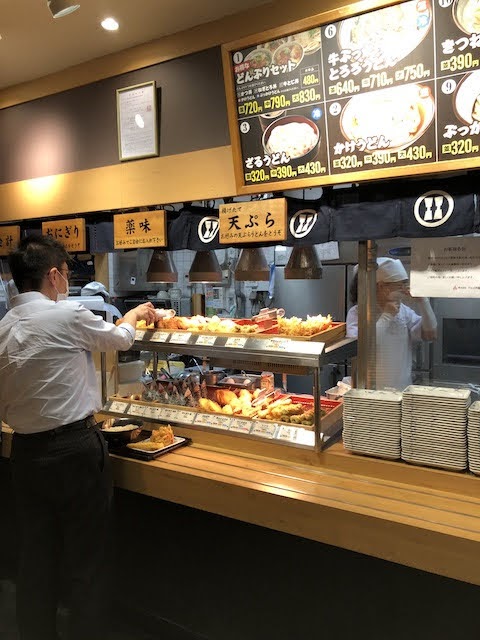
排队等待

点菜单在这里

这种诱惑

天妇罗
天妇罗
排队
排队

午餐时间的办公区街道。

日本人做什么事情都很喜欢排队,来了日本也遵守日本的规则一起来排队吧。

插队是绝对禁止的。日本人不太喜欢争吵,所以大部分的人会不去抱怨忍耐下来。

可是,内心却是非常不爽。在日本的期间让我们遵守规则,亲切地对待每一个人吧。

这就是点菜单。

这和中国的学生餐像是一种模式。

拿着托盘然后点菜、让我们横着移动吧。

只不过点菜的方式要记住。

乌冬面
乌冬面

首先,让我们选菜品和要凉的还是热的。

釜玉_うどん是只有温乎的、让我们就这么选着吧。

根据菜单的不同、是冷的还是热的是要分场合的。

比如说想吃热乌冬面还是凉乌冬面。 

接下来就是大小了,有大中小三种。

做好之后 

厨师会说「请加酱油慢慢品尝」

这就是乌冬面的吃法。

这个乌冬面的吃法是直接加酱油。

釜玉うどん是什么呢?

是讃岐乌冬面的一种吃法。把煮过的乌冬从碗里取出来、加生鸡蛋和少量的浓口酱油的酱去吃。

点餐之后、几分钟后乌冬就会做好。

几乎不太需要等待。

天妇罗
天妇罗

乌冬被送过来之后,我们只需往里走去结账就好。

但是,这却有着诱惑的陷阱。

有着诱惑的天妇罗。

收到乌冬面后,并在它们旁边放上油炸食品或天妇罗饭团。在等待轮到你付款时与诱惑斗争。

如果有你想吃的东西,附近是有夹子的,所以可以把它放在另一个盘子里,一起带到收银台。

水

可以自己接水。

葱、面糊、生姜
葱、面糊、生姜

然后加上、葱、面糊、生姜。

加多少都是免费的,当然水也是

只需要加上喜欢的面码,一份乌冬面就完成了。

全部加进去就是这种感觉。我很喜欢这种。

乌冬面
乌冬面

然后就是随便找个地方坐下,我要开动了

在这之后,就是再加上芝麻,酱油。一杯大概是20元

芝麻 辣椒 辣油 乌冬酱油
芝麻 辣椒 辣油 乌冬酱油

调味料从左手开始分别是。

芝麻 辣椒 辣油 乌冬酱油

取下盖子后,扭动主体和顶部,倒入捣碎的芝麻。

这样来日本了的话,就可以没有犹豫随便吃啦

水和小麦的不同,再加上厨师的技巧也不同,正宗日本乌冬是压倒的美味。

来了日本的话,一定要吃一次试试看。

这是我这次来的「杵屋」这家店的网址

大家能看到最后真的是万分感谢。

如果大家觉得有趣的话,求大家一波关注。

大家务必要来日本玩呀。

  1. porntude's avatar
  2. click here's avatar

Young Wave” simple design and taste is aromatic

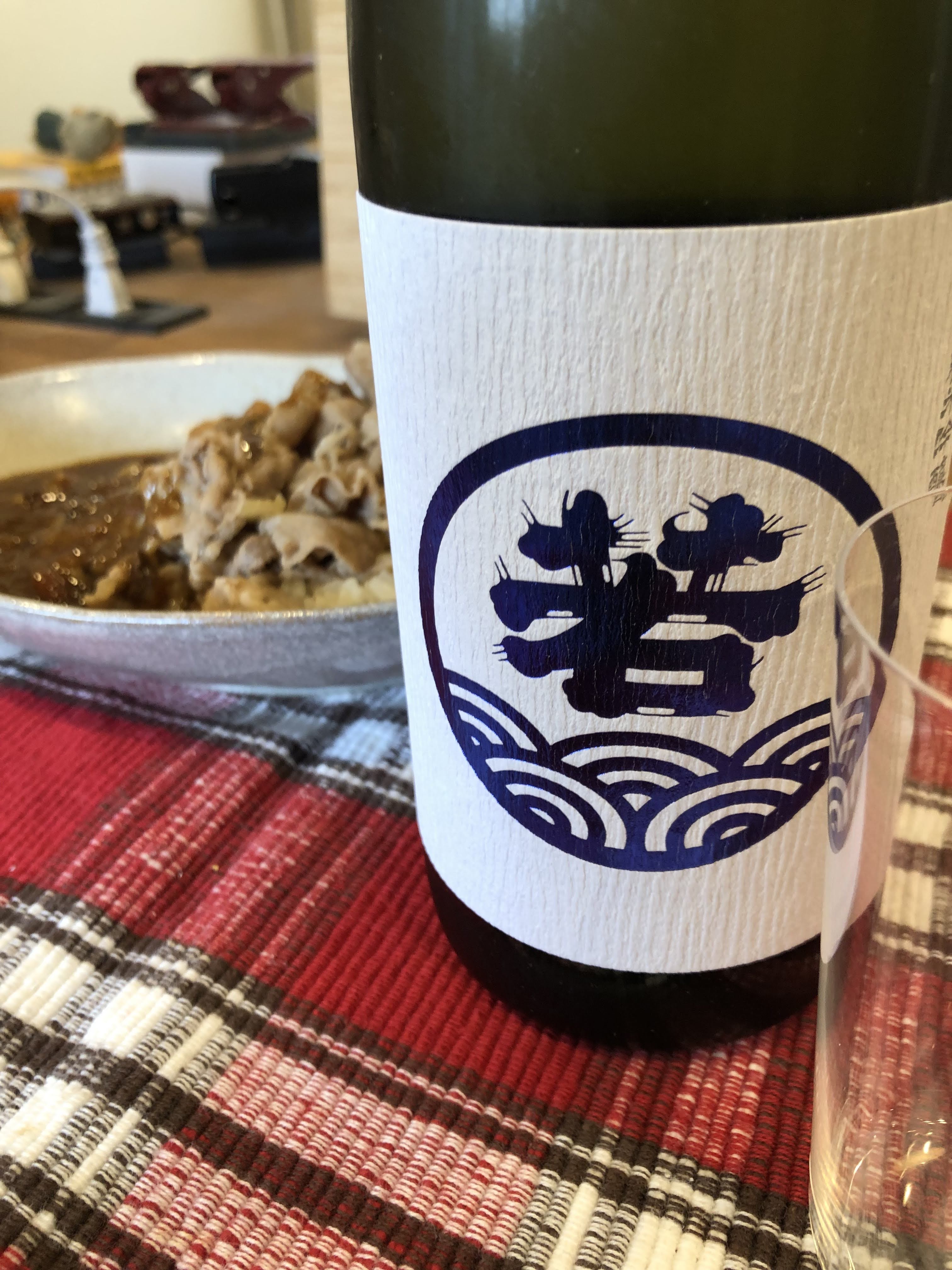
Today, too, I’m drinking alone. As usual, I am still going to the liquor store in a daze. I have been curious about it for a while. I like the design and the color of the bottle, but I have been passing it by.

  1. Wakanami Junmai Ginjyo
  2. Taste Evaluation
  3. Curry together with

But today was the day to pick up this sake.

Wakanami Junmai Ginjyo

Wakanami Junmai Ginjyo

The design is good. The paper of the label is also good with the image of Japanese paper.

Wakanami Junmai Ginjyo

This time I bought Junmai Ginjo. The back label is simple.

Wakanami Junmai Ginjyo

Old style cap. Don’t cut your hand.

Sweet aroma of melon and citrus fruits characteristic of Ginjos.

Wakanami Junmai Ginjyo

Gulp it down!

Japanese ranking 186th
Fukuoka Prefecture Ranking 4th

Comment: A
Mild and rounded mouthfeel. Balanced, mild mouthfeel.

Comment: B
While brewed with the taste of junmai ginjo rice, it has a strong sense of the strength of a man’s sake, and is a high level of food sake that can be used with both fish and meat.

Taste Evaluation

Wakanami Junmai Ginjyo Chart

The taste of a Ginjo that does not betray it. Overall, it is gentler than a Ginjo. The sweetness and stimulation is just right. There is almost no miscellaneous taste, and it is easy to finish drinking. It is a royal road in the current style of ginjo. It is one of the mildest among them. Because of its sweetness, it tastes more like a pre-dinner drink or just with sake than a mid-dinner drink. It is recommended to enjoy it sipping rather than drinking in large quantities.

I checked out Wakanami Shuzo Gomei Company -> Here

The concept of the sake is “a pushing wave of flavor and a trailing wave of lingering taste. The taste that comes in quickly and the lingering aftertaste that quickly recedes will make you feel as if you are drifting on a gentle wave. It is a perfect sake for a meal that is not too assertive.

Wakanami Sake Brewing Company

This is not a very long time sake brewery, since it started in 1923. They are competing with only one brand of sake, Wakanami.

They are currently recruiting personnel, indicating a generational change.

curry together with

The  Japanese curry
The Japanese curry

This time, I paired it with curry.

The curry was too strong, so the sweetness of the sake did not come out. This was a failure.

Click here for other West Japan region→Here

Thank you for reading to the end. Please don’t forget to bookmark this page.

  1. porntude's avatar
  2. click here's avatar