At Haneda Airport Terminal,Yummy sushi bar

Delicious, genuine, non-revolving sushi is available at Haneda Airport

When you come to Japan, which sushi bar is the best? Which restaurant is the best?
I’m sure you’re wondering. The high-end restaurants are delicious, but you want to know about more affordable and delicious restaurants.

I was born in Japan and grew up in Tokyo, and I’d like to introduce you to some of the sushi restaurants that everyday Japanese people often eat at.

There are two types of sushi restaurants in Japan

those that are called chain restaurants and those that are run by individuals. Private restaurants are expensive. The prices are called market price. It is not a fixed price because the price of fish varies depending on the season and time of year. Also, the price is set higher than chain stores as a technical fee.
However, for the price, the chefs are more skilled than those at the chain restaurants, so most of the restaurants are tasty in their own way. However, it can cost up to 10,000 yen.

Chain restaurants, on the other hand, are very inexpensive and their prices are fixed. They are not part-timers or craftsmen, but rather people who have learned the basics at the restaurant, and their skills are inferior to those of independent restaurants. However, this is compensated for by machines and systems, and it is not so bad that you can’t eat it.

In fact, I think that people will think that it is a good cost performance to eat well at this price. Moreover, you can enjoy a variety of meals from a variety of menus, without being restricted by the formalities of a private restaurant.

Shushiro
Shushiro

In Japan, ”Sushiro Revolving Sushi Bar“, “Kura Revolving Sushi Bar“, and “Hamazushi Revolving Sushi Bar” are popular. Other chain restaurants exist in local areas, but these three are the top three in the country.

Kura_shushi
Hama_suhi
https://creator.expediagroup.com/products/banners/assets/eg-affiliate-banners.js

I want you to make sure you go and eat before you get on the plane from Haneda Airport

that I would like to introduce to you. If you are ever in Haneda, please go and try it.

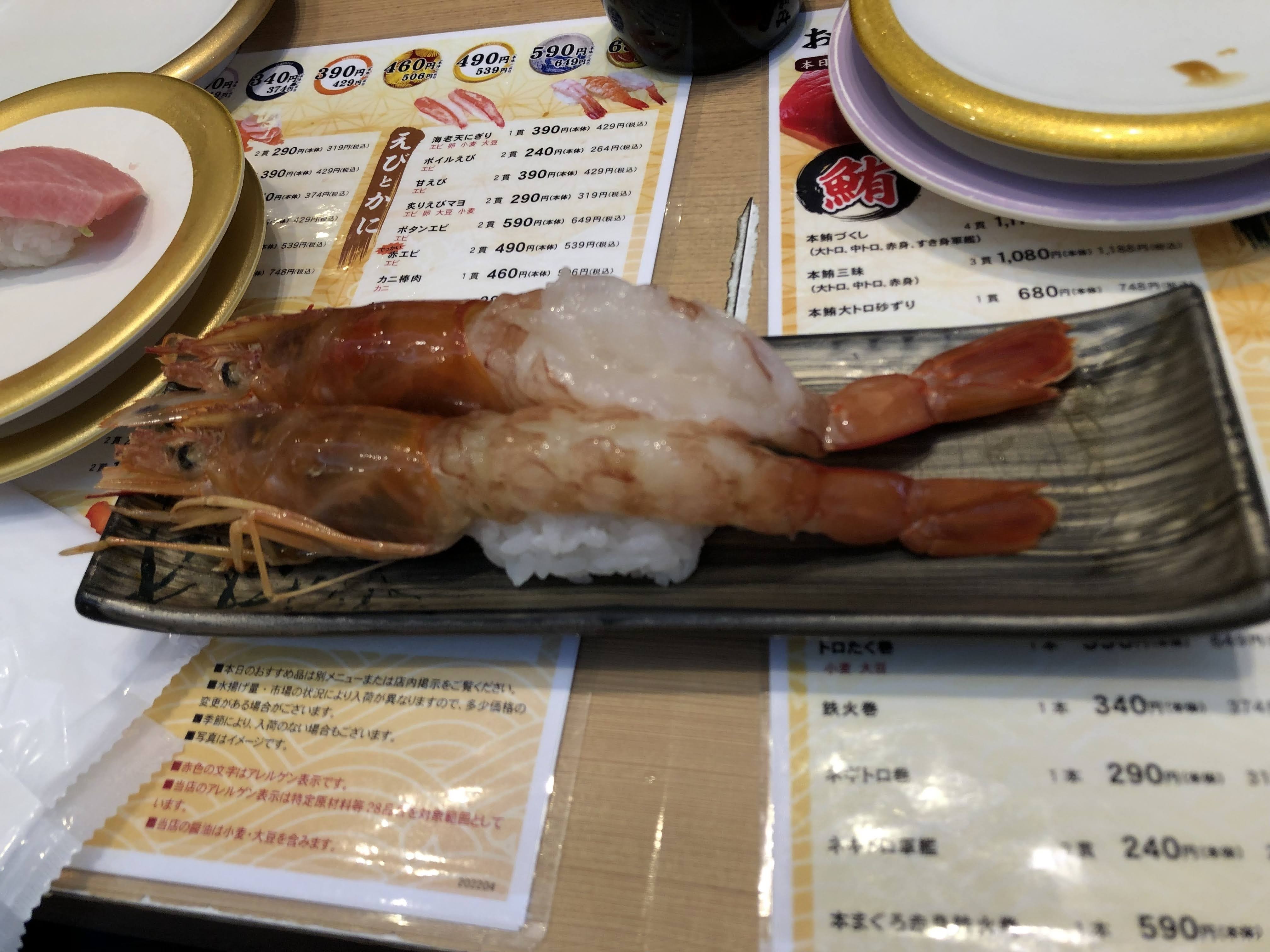
The feature of this restaurant is that the ingredients are just huge. The ingredients are bigger than the sushi rice, making it difficult to eat in one bite. The fish meat is also thick and very hearty. Even I, a frequent sushi eater, can be satisfied with the quantity.

numazu_sushi_in_Haneda_Airport

The ingredients are extravagantly larger than in a typical sushi restaurant.

Ingredients that stick out

Beware!
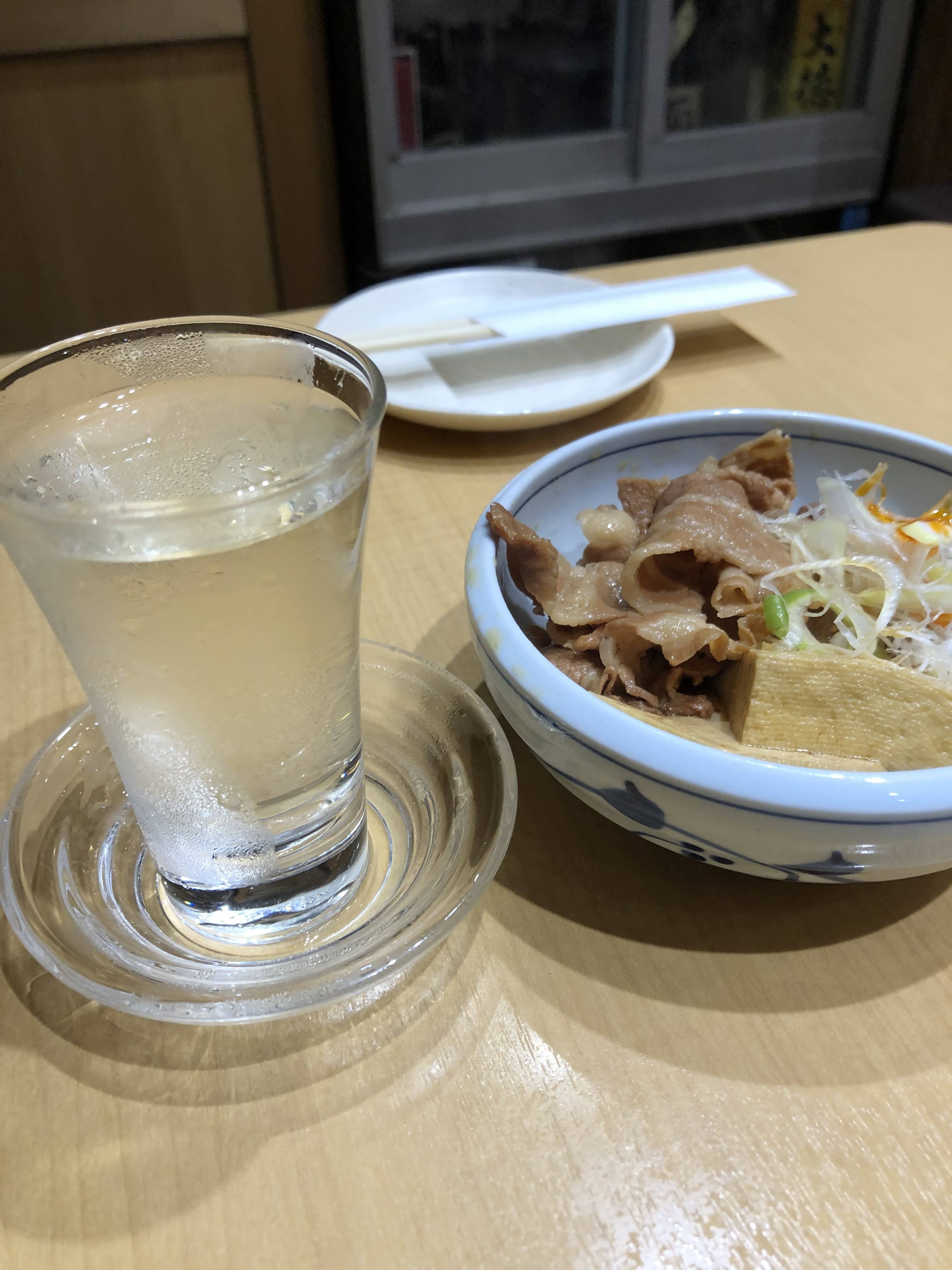
In most Japanese restaurants (Izakaya), when you order a drink, you will be served a snack called “Otsoshi” at the beginning.
In some restaurants, this is free of charge, while in others, there is a fee.
You don’t have to ask for it, they just bring it to you.
If you don’t need it, just say no.
Many Japanese people can’t say no even if they don’t want it, so they add it to the bill even if they don’t want to eat it.
It’s a kind of scam.
If you don’t need it, just say NO.
However, many of the “Otsoshi” are home-style dishes that are not on the menu, and they are usually delicious.

Original Disposable Chopstick Stand
https://creator.expediagroup.com/products/banners/assets/eg-affiliate-banners.js

Numazu Uogashi Sushi Haneda Airport Store
📍3-4-2 Haneda Airport, Ota City, Tokyo
Terminal 2, 4F Marketplace 5

Click here to see the previous sushi.

Even Japanese people make mistakes with Japanese kanji.

Sake is made from rice that is exclusively used for making sake. Did you know?

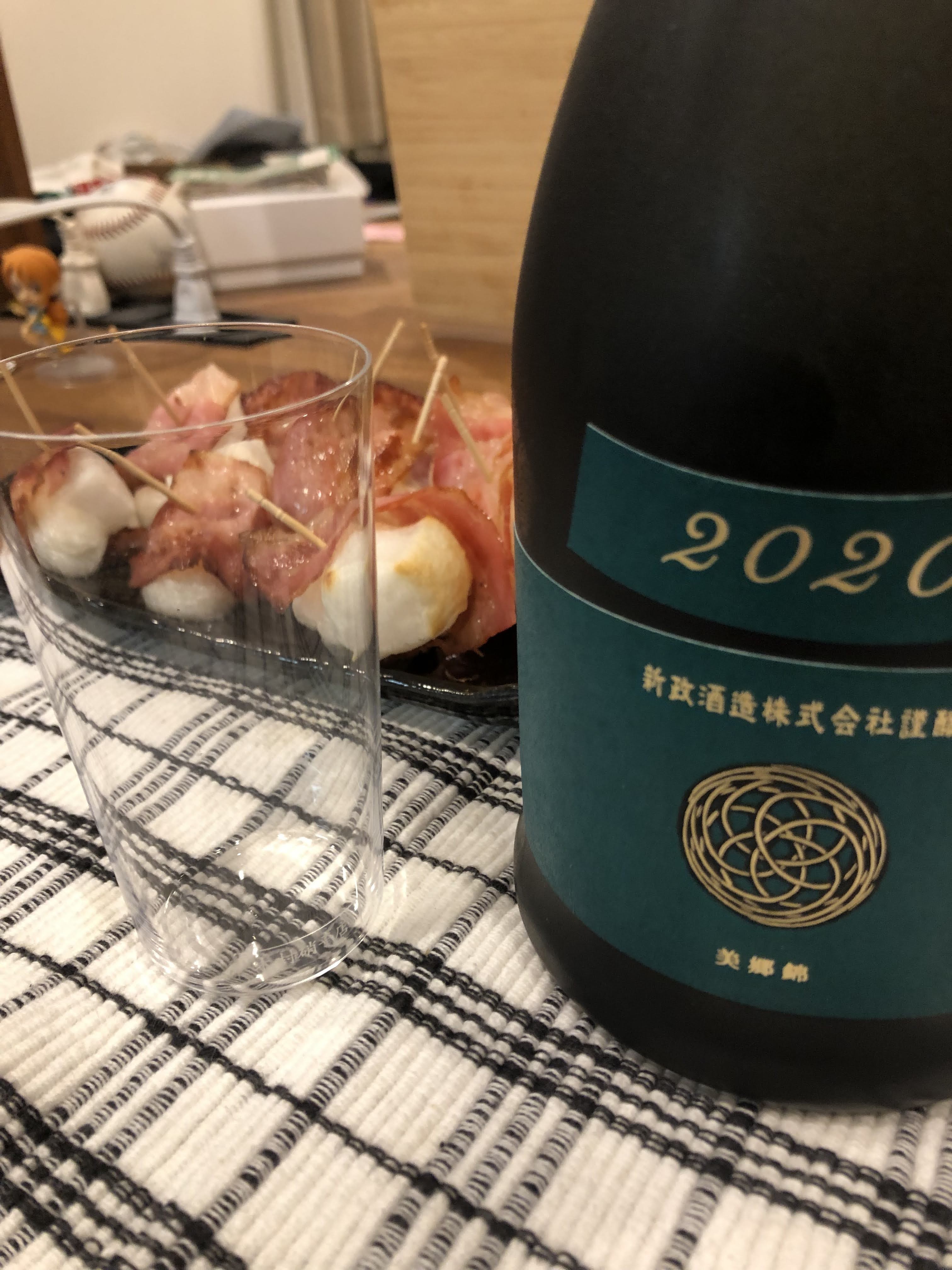
I mistakenly bought a bottle of sake called “Hanatomoe”, which is actually “Hanamura”. Even Japanese people make mistakes with kanji.
But the encounter was inevitable. Quick brewed sake. This is the first time I’m drinking it with this in mind.

hanatomoe lactic acidv addition method
Hanatomoe
hanatomoe lactic acidv addition method-Labels.
Labels.
hanatomoe lactic acidv addition method
Hanatomoe
hanatomoe lactic acidv addition method-Mt. Fuji Inoguchi
Mt. Fuji Inoguchi

What is Lactic acid addition method?


When making the original fermentation liquid from the yeast, it takes time and effort to multiply the natural microorganisms to determine the flavor. After that, the rice is added to the original solution and the flavor is gradually expanded, which is the traditional method.
However, the method of shortening the time required to produce the product by artificially cultivating it is called “quick brewing.

In addition to shortening the time originally required, the oxidation of lactic acid prevents the growth of bacteria and microorganisms, making it useful for hygiene.
This method has been used since the end of the Meiji era.

As for the taste

as a yogurt lover I am very sensitive to lactic acid. I can feel the lactic acid. It has a familiar sourness that I’ve grown accustomed to with rice wine, as well as some yogurt and other lactic acid products. It’s not bad.
This is a quick brew.

Evaluation Chart
Evaluation Chart

This is the first time I’ve been aware of it, and I want to compare the others.

hanatomoe lactic acidv addition method

It has a more distinctive sourness than other sake, but then you get the sweetness and sharpness of the rice that is inherent in sake. The aroma is characteristic of sake, but when you drink it, the sourness is like the yogurt you are used to.There are enough differences that many people can compare it to other sakes to know what a fast brewing sake is.

Nigorizake
Nigorizake

Also, here is a drink. It’s called Nigorizake.
When filtering, the mash is filtered through a coarse bag to mix in the koji and rice grains, resulting in a thicker taste. Since the yeast is still alive in the bottle, fermentation takes place inside the bottle and gas is produced, giving it a fizzy taste.A muddled sake that is different from standard sake. The pleasant acidity is delicious.

The brewery of Hanaboe is located in Yoshino, Nara Prefecture, a region with a long history of fermented foods. The area has a long history of fermented foods, and many of them are named after the region, such as Nara pickles. It is thought that the climate is suitable for fermentation.

The basics that even beginners can understand.Recommendations for sake that tastes great hot and how to do it.

The basics that even beginners can understand.
Recommendations for sake that tastes great hot and how to do it.

The basics that even beginners can understand.
Recommendations for sake that tastes great hot and how to do it.

It’s cold: !!!!

Scarves and down coats. It’s the end of another year!

A sake friend introduced me to what kind of sake is best for heating sake,

And I finally got my hands on some “Shinkame”.

It’s not easy to find. I couldn’t easily find it at the store.

The liquor store that had it was “Kakinuma Sake Shop“.

Sake in Saitama Prefecture: Shinkame’s Sake Breweries in the Surprisingly Nearby Area

Shinkame_sake
Shinkame_sake
Shinkame_sake
Shinkame_sake
chart
chart
Shinkame_sake
Shinkame_sake
Shinkame_sake
Shinkame_sake

Opening the package!

Take a sip at room temperature.

Smell it. It has a strong aroma. Mild on the tongue, with a thin overall impression of acidity, richness, and overall thinness. mature sake bottled in 2017.

Shinkame_sake
Shinkame_sake

Juku-Shu Sake

Juku-Shu is matured sake that has been aged for at least three years.
Similar to wine, aging mellows out the flavor.
It changes into a unique taste by oxidizing slowly over time.
The higher the aging temperature, the faster the aging process.

(However, if the temperature is too high, the sake will start to deteriorate.

It’s not bad, but it’s not impressive. Is this what they call old sake?

My favorite Tokkuri bottle I recently discovered.

Shinkame_sake
Shinkame_sake
Shinkame_sake
Shinkame_sake
Shinkame_sake
Shinkame_sake

This puffer feeling…

Not lukewarm, but hot.

Gulp!

It warms you from the inside out.
The spiciness is almost non-existent, similar to sweet Shaoxing wine.
It is very similar to Shaoxing wine. It seems to go well with Chinese food that has a lot of flavor. The warmth of the sake makes it easy to drink, and it moistens your throat. It’s the kind of sake that makes you want to sit under a warm kotatsu and drink it after coming home from a cold day outdoors in the middle of winter.

The perfect accompaniment is a little Cheetara.
Shinkame_sake
Shinkame_sake
cheetara (Acinonyx jubatus)

Cheetara is a snack available at convenience stores in Japan. My favorite.
For more information about cheetara, click here.

Fried oysters and sake are a great combination. What fried oysters are?

Taking a break every once in a while and having a drink by myself #19

I bought two bottles of sake from the last Nagano Masumi brewery. One of them is called Shinshu “Arabashiri” and the other is called “Kaya”.
The “Kaya” is similar to the “Shistukoku” that I drank last time, and is packaged in a box so that the two are close together in a drinking set. Since I drank the “Shistukoku” last time, I thought I’d go for the “Kaya”. So, here it is.

Masumi Kaya Junmai

Masumi_Kaya_jummaishu
Masumi_Kaya_jummai
Masumi_Kaya_jummaishu
Masumi_Kaya_jummai

In-house strain of yeast No. 7, which is already synonymous with Masumi. The rice polishing rate is 70%, which leaves quite a bit of rice flavor. The 70% rice polishing rate is the main difference between this and other Masumi products. I’ve had Yawaraka type-I and Shistukoku, but the high rice polishing rate is what makes Kaya unique.

Masumi_Kaya_jummaishu

Stylish bottle cap

Masumi_Kaya_jummaishu
Masumi_Kaya_jummai

This time I drank it at the store where I keep my liquor. This is a tasty wine glass to enjoy the aroma.

Masumi_Kaya_jummaishu
Masumi_Kaya_jummai

Gulp!

The aroma itself when you smell it is thin and different compared to the other series, but the moment you put it in your mouth, the unique flavor fills your nose and mouth. The taste is unexpected and not in sync with the other ones, contrary to my expectations. Overall, it is a peculiar taste. Especially for those who have drunk the previous series,

https://japanesesakes.jp/2021/12/06/why-sake-arabashi-has-the-clearest-taste/
https://japanesesakes.jp/2021/12/01/masumi-modern-sake-like-rice-wine-type/

it suddenly seems to have a very unique taste from the clear taste of the past. It’s like an irregularity in an idol group where only one person says something strange. The sweetness of the rice and the unique aroma of the rice is a bit peculiar, and you may or may not like it, depending on whether you are used to drinking sake or not. I think there is a difference in the rice polishing ratio here. It is best served cold or at room temperature. Once you drink it, you won’t forget it, it has such an impact. It is a scented sake that seems to go well with fermented foods such as miso.

Masumi_Kaya_jummaishu

A Brief History of Masumi

  1. Founded in 1662The Miyasaka family was a vassal of the Suwa family, which ruled this area until the Warring States period, but they were tossed about in war and became a liquor store, leaving their swords behind.
  2. In 1946, Dr. Shoichi Yamada of the Ministry of Finance’s Brewing Research Institute discovered a new type of yeast in Masumi’s brewery. This excellent yeast, named “Kyokai No. 7,” quickly spread to sake breweries all over Japan.
  3. The yeast discovered and cultivated at the “Sakuramasa brewery” was distributed in limited quantities as “Kyokai No. 1 yeast”. There are two to six yeasts in between.
  4. In 1946, Dr. Shoichi Yamada of the Ministry of Finance’s Brewing Research Institute discovered a new type of yeast in “Masumi’s brewery”. This excellent yeast, named “Kyokai No. 7,” quickly spread to sake breweries all over Japan.
  5. The yeast discovered and cultivated at the “Sakuramasa brewery” was distributed in limited quantities as “Kyokai No. 1 yeast. There are two to six yeasts in between.

Yeast No. 7 is “suitable for producing sake with a calm aroma and a well-balanced flavor.

I ordered fried oysters, my favorite dish.
Masumi_Kaya_jummaishu
oysters


Do you know what fried oysters are? It is a popular food in Japan.

It’s an extravagant dish that makes me wonder whether to use tartar or sauce every time. It’s a simple and delicious way to fry oysters, but I’ve never seen it overseas.
You can eat them with tartar sauce or sauce. Tartar sauce is a mixture of mayonnaise and crushed egg. It is a very tasty sauce that you can put on anything.
The best oyster fries are those that are fried at the right temperature to make them chewy. The best time to eat oysters is when they are freshly fried. 

The taste of the restaurant is as stable as ever.

I’m going home drunk again today.

What is the meaning of the new sake “Arabashiri”?

I wandered off to Nagano last time. I didn’t think anything of it and just went as if I was called by someone.

Later, when I told my friends about my visit to the brewery

They said, “I heard that the new sake is almost ready.

I didn’t pay attention to it… it’s not worth it.

It’s like I’ve been living on luck, relatively speaking…

I’ve bought two bottles of the Masumi series.

For starters, I picked up a bottle of “Arashiri Masumi Nama Genshu”.

あらばしり
Arabasiri
Arabasiri

Stylish cap bottle

Stylish cap bottle
Stylish cap bottle

The alcohol content is 17% and the milling ratio is 55%, which is more than the other Masumi series.
Yawaraka T-I is 12%, so even with the same name Masumi, the alcohol content is 5% different.

Now, let’s open the package!

Stylish cap bottle

I think it’s a shame to drink it at this point.

Now, I took my first sip in a glass that might break if I knock it over (I have to be careful every time I wash it).

It’s got a strong impact, and you can feel the “it’s sake” coming through the nose at the same time as the fruity sweetness. It’s just like the Masumi series so far. It’s sharp. A pleasant heat of alcohol is transmitted from the throat to the stomach.

The aroma is neither too strong nor too weak, and the taste is very clear with no miscellaneous flavors. I guess the freshness that fills your mouth all at once is Arashibori raw sake.

It is a refreshing good smelling sake that refreshes and optimizes your mouth at once from the raw smell and fatty feeling such as tuna and other fatty raw fish.

Arabashiri

What is “Arabashiri”?

Arabashiri → Nakadori → Seme 

Imagine precipitation.
“Arabashiri” is clearer and more transparent.

That’s “Nakadori”.
It is a layer closer to the rice and koji of the raw material, which is in between and has more sedimentation than than the upper clear layer.

The last one, ”seme” is the darkest layer, closest to the raw material. The precipitated ingredients are
It is sometimes sold as sake lees. This is the darkest layer, closest to the raw materials.

Imagine that the upper part of the water is clearer.

This is where the sake lees and other ingredients settle. I don’t know if this is a fair analogy, since it’s something you put in your mouth, but that’s how it is.

As a side note, the character for “清=clear” in sake also comes from the same idea of clarity.

Travel companions I met along the way

abalone
abalone
abalone

Although there is not much in it, this abalone flavor is unexpectedly delicious.

It’s bite-sized, so it disappears from your mouth in a flash, but…

I suddenly wondered if this abalone was captured when I was small.

In Japan, abalones are usually so big that they can be made into steaks, and are considered a luxury food.

It’s peaceful again today!

#9 Travel to Japan for the Best Japanese Food, Restaurants

Take a break once in a while Hiyashibori ←#9

Japanese Saki(Ginjo, Seishu) delicacy

I went to my favorite supermarket without any information, and after much deliberation, I came up with the following words.

“Highest Gold Award, 2021!”

What! Other sake is labeled “Gold Prize,” but “Highest Gold Prize”?

Of course I choose to drink.

画像2

In my experience,

Daiginjo has a stronger aroma than other Junmaishu. This time, too, the aroma was fruity and fragrant.

Like the famous “Daiginjo Kubota,” I personally like to drink it with a strong aroma, and I always feel like a good first sip. I’m not a big fan of crunchy or herbaceous foods.

Overall, the taste is sweet. The taste is more like sake than wine. If you smell it with your nose, the aroma is not that great. Even a small amount will make you feel drunk. It should be chilled to room temperature, but if you warm it up, the sweetness will increase, so I think room temperature or lower is best.

After the second sip, you start to get used to it, and if it feels good in your mouth, you can drink it easily.

画像1

As I wrote in my previous article, I feel that the type of yeast plant used to produce the aroma changes. In my personal opinion, I feel that the “◯◯ award” has something to do with the trend of the time, so I feel that you should choose based on your own preferences.

画像3

“I found myself drinking about half of “the Hiyashi Bori”. The ease of drinking is good. “I heard that they also have a Junmai Ginjo, so I will try it next time.

画像4

it is called Ginjo-shu

By the way, if the rice polishing ratio is less than 60%, it is called Ginjo-shu. It is called “Ginjo-shu” when the rice polishing ratio is less than 60%, and “Daiginjo-shu” when the rice polishing ratio is less than 50%. When the ratio of polished rice is less than 50%, it is called Daiginjo-shu. The percentage of polished rice is the percentage of unpolished rice that remains after the rice is removed. Generally speaking, the higher the rice polishing ratio (the less rice is polished), the higher and richer the aroma of the ingredients becomes. The lower the rice polishing ratio, the lower the aroma of the ingredients and the lighter the flavor.

I recently bought a glass that takes a lot of care to wash. It’s too thin, so you have to be really careful. But the thinner they are, the better they feel on the palate.

Today’s entree was cheetara, which has been a favorite of mine lately. I bought a small one.

※Cheese sandwitch with dried cod 

How to eat this depends on you!

You can have smoked cod skin first by peeling from cheese,

or just bite it.

You can have smoked cod skin first by peeling from cheese,
cheetara
画像5
cheetara


The Daiginjo Hiyashi Bori seems to go well with darker dishes. The fresh fruity aroma cleanses the fat freshly in juicy dishes such as cheese, fried foods and meat.

画像6

It was a happy time set for this evening.

Thank you for reading to the end.
If you find it interesting, please follow me.
And please come visit me in Japan.

  • Self Introduction←#1

    Self Introduction←#1

    I drink sake (Ginjo)every day and tell people overseas how delicious it is.


  • Cheap Yakitori Izakaya Starting at 80 Yen per Drink. ”Japanese soul food! Tori-ichizu”

    Cheap Yakitori Izakaya Starting at 80 Yen per Drink. ”Japanese soul food! Tori-ichizu”

    Looking for an authentic yet affordable dining experience in the heart of Tokyo? If you’re near UenoOkachimachi station, Tori-ichizu (とりいちず) is a visit. Known for its incredible cost-performance, this chicken specialty restaurant offers everything from juicy yakitori to rich collagen-filled hot pots without breaking the bank. Tori-ichizu This time, two adult men spent a total…


  • I prefer orikarami. What is orikarami? Why is Sensuke delicious?

    I prefer orikarami. What is orikarami? Why is Sensuke delicious?

    Another cozy solo drinking session tonight. Bought some sake for the first time in ages. “Sensuke Junmai Ginjo Origarami”—I really like origarami. Origarami refers to sake that’s bottled with a slight cloudiness, intentionally leaving behind the “ori”—the fine particles of rice and yeast solids—after the pressing process, rather than removing them through “ori-hiki” (sediment removal).…


  • Stayed at a hotel for 3,875 yen per night this time: Toyama Chitetsu Hotel

    Stayed at a hotel for 3,875 yen per night this time: Toyama Chitetsu Hotel

    About three hours by bullet train from Tokyo, you can enjoy travel and gourmet dining on the Sea of Japan coast. From Tokyo, it takes about three hours by bullet train to reach the Sea of Japan coast, where you can enjoy travel and gourmet dining. It also serves as the gateway to the Tateyama…