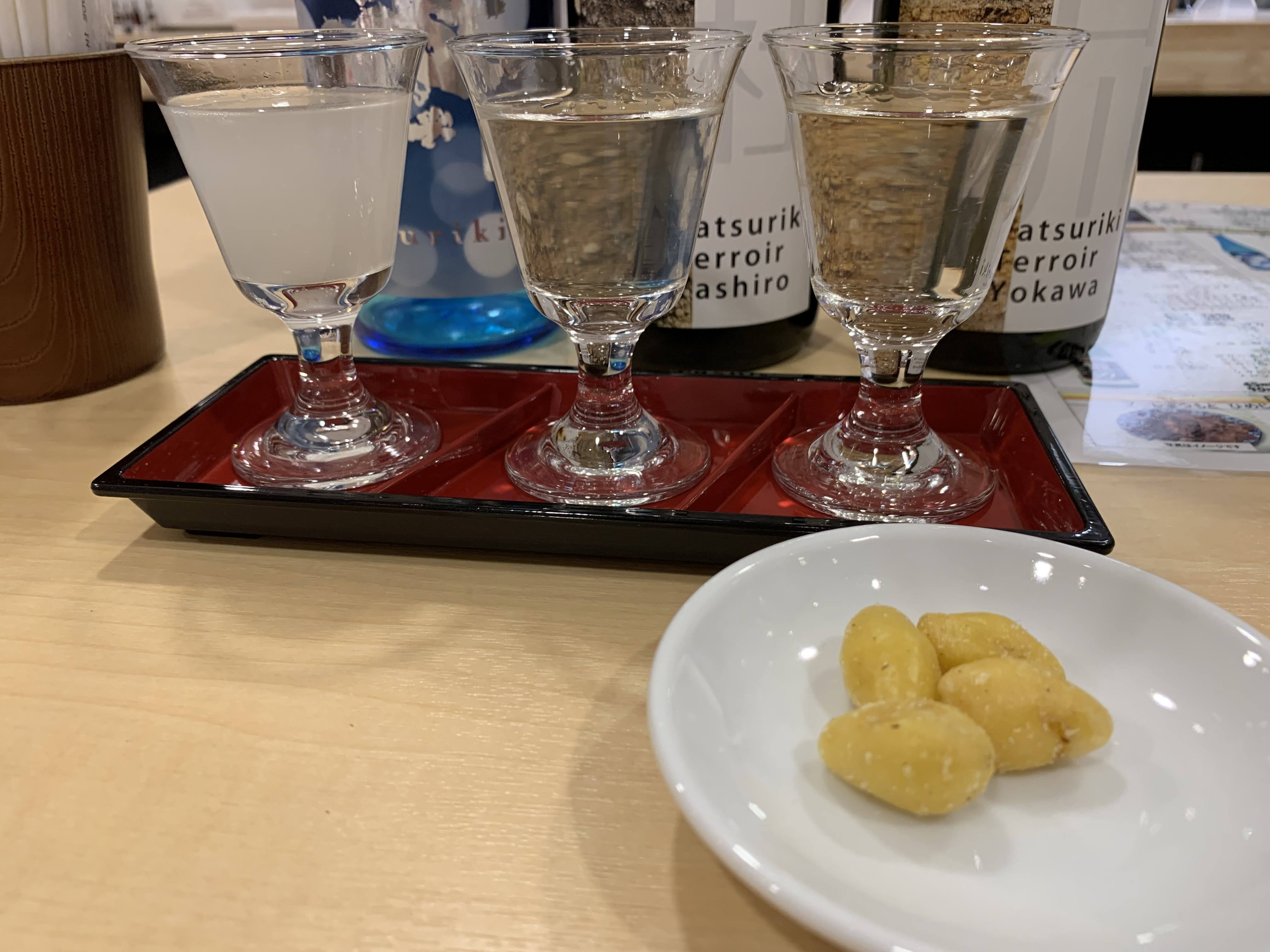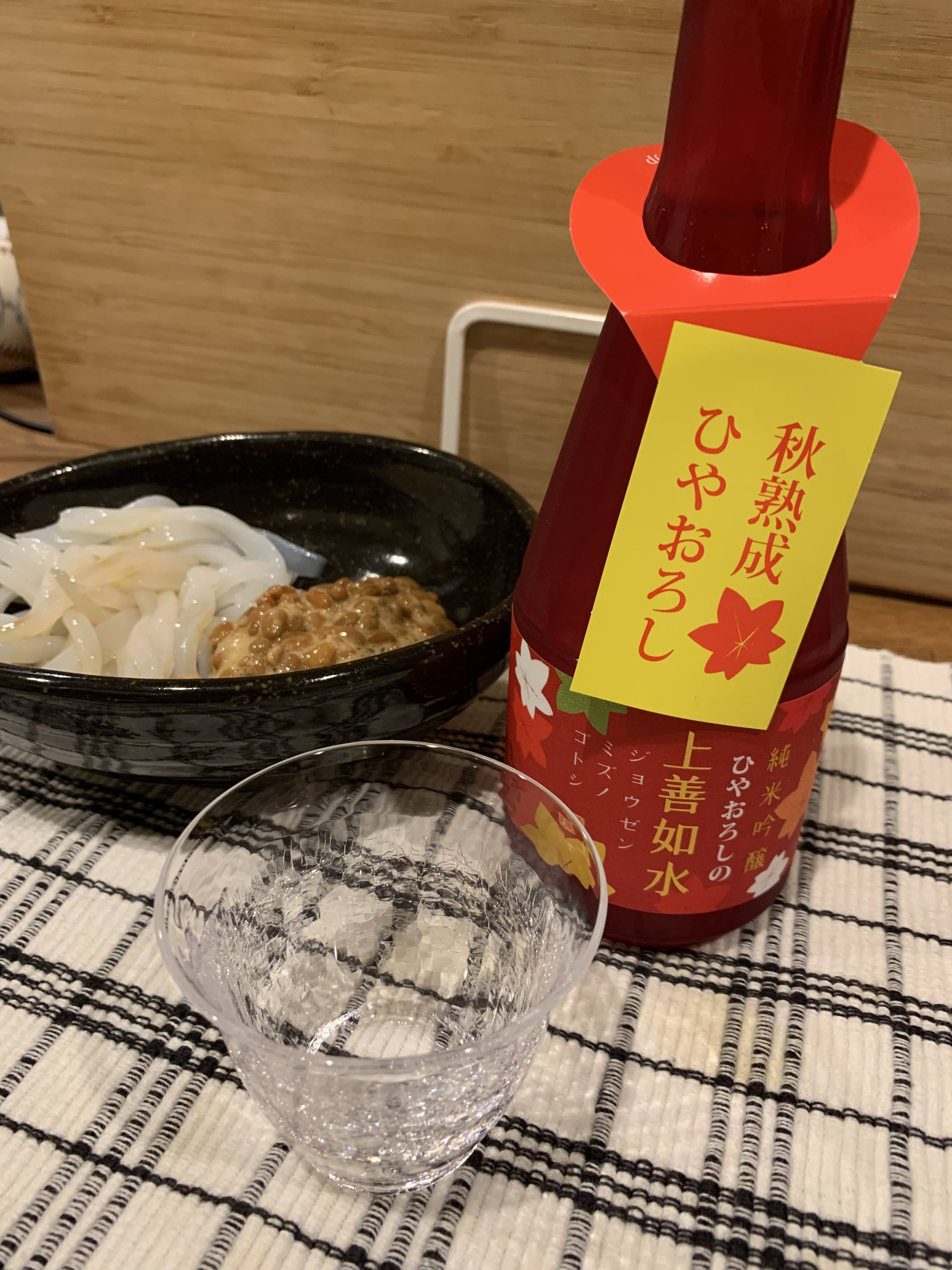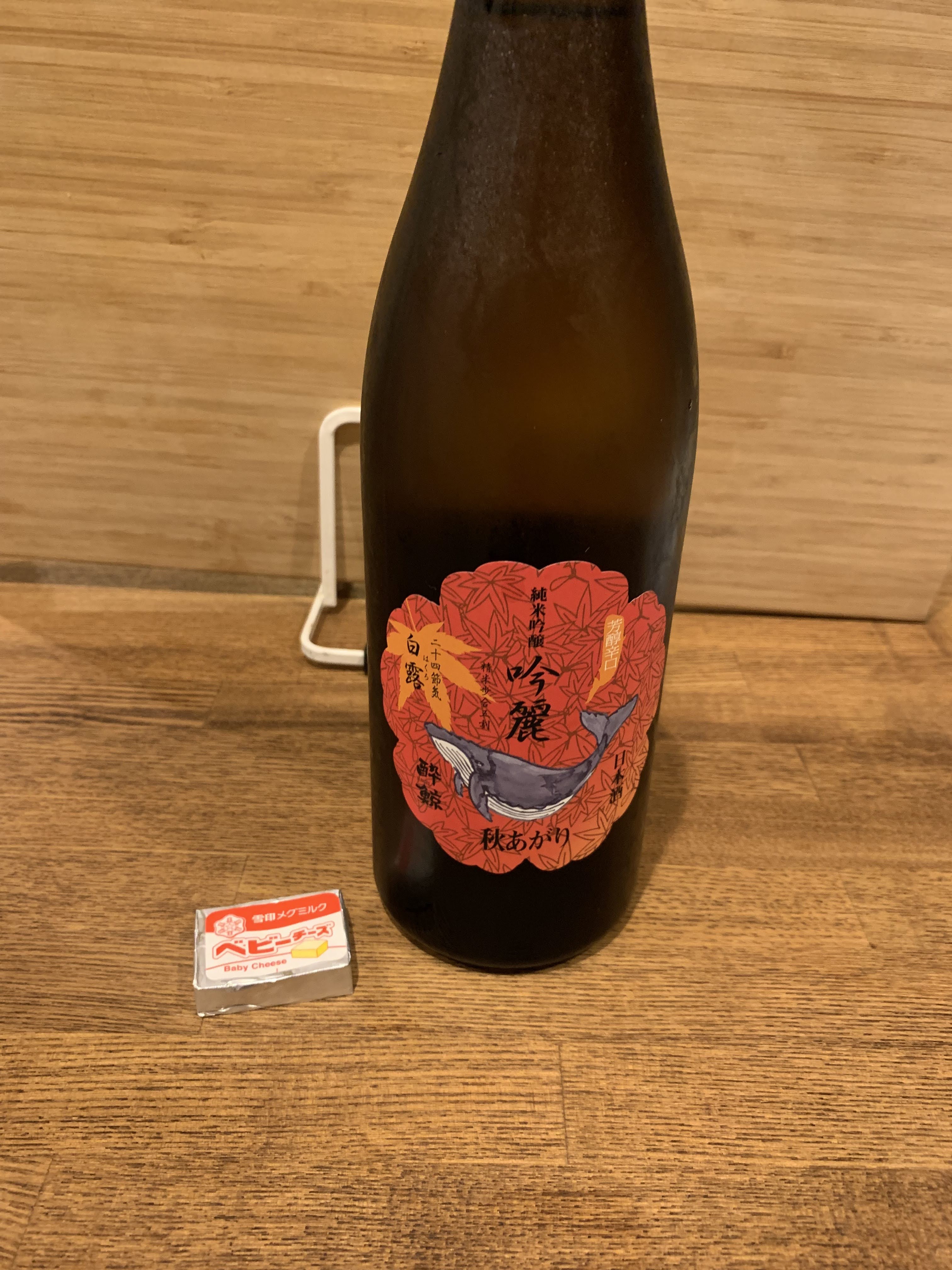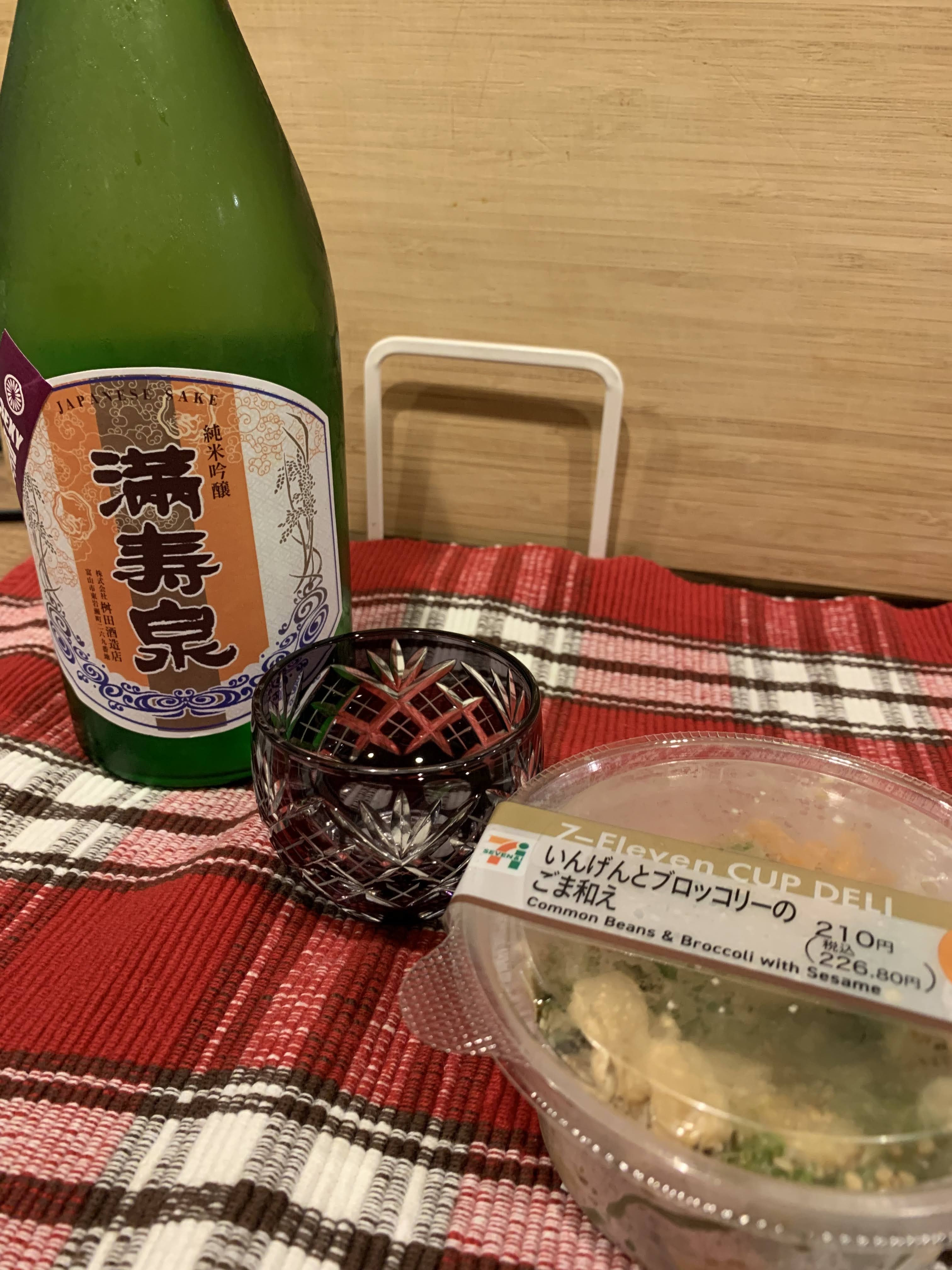
It’s not Lake Town. Wind Forest. Popular sake from Nara Pref

Last year at the last minute
Last year, I got a bottle of “Kaze no Mori” that I had been looking for.

  1. Kaze no Mori Unfiltered Raw Sake 507 Series
  2. Taste Evaluation “Kazenomori”
  3. Cheese Almond Okaki
  4. Sake rice determines the taste of sake

Kazeno Mori 507

Kazeno Mori
Kazeno Mori

I couldn’t find it at any liquor store, so I just happened to see it online! I dashed to the liquor store to buy it.

Here→Liquor store

Kazeno Mori
Kazeno Mori
Kazeno Mori
Kazeno Mori

There it is! I’m so impressed!

Kaze no Mori Unfiltered Raw Sake 507 Series

Here→About Unfiltered Raw

Kazeno Mori
Kazeno Mori
Kazeno Mori
Kazeno Mori

A picture of an image of the milling rate of rice.
No, it’s hard to notice. The staff member said, “Yes, that’s right,” and I just noticed it.

“Kaze no Mori” is made from rice grown locally at the brewery. The importance of rice in sake.

Oh, I would like to share with someone the excitement of discovering what I’ve been looking for. That’s how I feel.

Stylish bottle caps, after all!

Kazeno Mori
Kazeno Mori
Kazeno Mori
Kazeno Mori

Tasting!

Kazeno Mori
Kazeno Mori

Gulp!

Taste Evaluation “Kazenomori”

This was exactly what I expected. I can understand why it has a high reputation. It’s more like white wine than sake. It does not have the sourness characteristic of sake, but is more like wine. The aroma and sweetness increase on the tongue.

It may be like a cocktail, like an aperitif. It may go well with cheese, chocolate, sweets, and Japanese sweets. It seems to go well with light meals. The name of the product, “Kaze no Mori,” makes it seem like a fairy. It is a perfect scented sake that is clear, elegant, and delicate rather than sludgy.

It’s Yummy.

Cheese Almond Okaki
Cheese Almond Okaki

Cheese Almond Okaki

These are Japanese rice crackers topped with cheese and almonds, and are available at Japanese convenience stores. This is a very popular snack that combines the sweetness of the cheese with the aroma of the almonds and the saltiness of the rice crackers.Even if it’s only this snack, I can’t stop eating it once I start. Roughly 300 yen for a pack of 16 pieces.

A snack such as cheese okaki would be appropriate.
Other light dishes such as salads and carpaccio will go well with it.
If it’s too strong, the goodness of Mori no elf will be lost.

Sake rice determines the taste of sake

Kaze no Mori is a sake produced by a brewery in Nara Prefecture.
It is made from rice called “Akitsuho”.
When making sake, the most important ingredient is the rice grain.

In order to make sake, you need to grow rice ears specifically for sake, which is different from the rice we eat everyday. Yamada-Nishiki is the most famous type of rice in Japan today.

So, what kind of difference does the rice grain make?
In the center of the rice grain there is a part called “shinpaku” (heart white), and the shape of this “shinpaku” determines the taste of the sake.

In short, the selection of the rice and the way it is made determines the direction in which the sake will be made.

―Akitsuho―

After continuing to use this rice for more than 20 years, it has become an indispensable rice in our sake brewing process. Akitsuho can be said to be the quintessential rice of Kaze no Mori, or a “Kaze no Mori koutekimai”, where “koutekimai” means “optimal rice for”.

The word Akitsuho comes from the ancient name for Japan “Akitsushima” combined with “ho” the Japanese word for ear (part of cereal plant). “Akitsu” is the old Japanese word for dragonfly. Ruins of an ancient capital can be found in an area called “Akitsu” in our local city Gose.

Here→Official site

I was able to drink the sake of my dreams in 2021!

Click here for more sake from the Kansai area.→Here

Organic Sake in Tochigi “Senkin” : Novel bottle design

It looks familiar. Cherish the feeling. In order to attack the major brands, I chose the ones that I vaguely remembered from the labels in order. This is how I choose my drinks.
I couldn’t read this kanji at first.
This is the first time I’ve been able to read this kanji. I remembered “Senkin (仙禽)” because of this, and my PC converted it correctly in one shot.

senkin_japanese_sake
senkin_label_sake
senkin_label_sake

What is the design of this label?

I’m not very knowledgeable, so when I saw this label design, I thought it was a woman looking to the right? I’m not sure about the “crane”… it looks like the “old Akadama Punch” which is a famous sake that existed in old Japan.

The correct answer is “crane” that lives in the fairy world. Red for love. White for tradition. Black for innovation. Oh, I was right.

When I looked at the back label, I saw that they were particular about the rice, and there was a lot of optional information. I was curious, so I looked up “wooden vat brewing,” and soy sauce came up as a search term. In a nutshell, wooden vats have countless tiny holes where microorganisms can breathe and accumulate moisture, creating an ecosystem unique to the brewery. This creates an ecosystem that is unique to the brewery and produces a taste that only that brewery can produce.

Tochigi Popularity Ranking No.2
10th place in the national ranking of Japanese popularity

After all, it has a great reputation!

Comment A
Everyone loves Senkou, sweet and sour, with a touch of gas, the sharpness is as expected, the acidity, sweetness and sharpness are well balanced ^_^

Comment B
What a surprise, the rice polishing ratio is 90%!
This sake is somewhere between wine and sake.
It seems to be suitable for sweet drinkers.
If you find it, try it.

Opening the package

With high expectations, I immediately opened the package. Opening the package

Gulp!

senkin_japanese_sake
Senkin Evaluation Chart

Senkin Evaluation

I see~ It’s delicious. It’s a scented sake with a nice flavor. This is a series that is best served chilled. It’s a wine type that becomes sweet as the temperature rises. It’s quite similar to “Kaze no Mori” that we drank last time. The sweet fruity taste is very easy to drink and is good for beginners and women who are not used to the bitterness of beer. As a whole, it’s not very assertive. Therefore, it is a good sake that can be drunk like water. I tried to drink it with hijiki, but it didn’t go well with it. It’s good enough to sip on by itself. It is also good as an aperitif.

If you look carefully, you can see that the rice polishing ratio is 90%! Almost brown rice!

As a percentage, I guess it belongs to Junmai-shu. Maybe it’s because it’s made from rice called “domaine. The aroma is more French than “rice”. If you don’t drink it alone, you’ll soon be able to drink it all together.

I chose “hijiki” as my target, but it was a complete failure.

Senkou Shuzo, a brewery that is particular about its ingredients

What is hijiki?
Hijiki
Hijiki
Hijiki
Hijiki

Hijiki is a type of seaweed.
It is often eaten as a stew in Japan since ancient times.
When harvested, it has a greenish hue because it is a seaweed.
After that
1 Wash the harvested hijiki in water.

2 Boil in an iron pot for 3 to 4 hours.

3 Let it steam overnight until cool.

4 Dry in the sun.

5 Dry hijiki.

The color changes when you boil it in

It is seasoned with soy sauce, mirin, sake, etc. Since it is a seaweed, it has no flavor of its own. It is also cooked and eaten with carrots and other vegetables. By the way, I personally like hijiki with okara.

Click here for sake available in other Kanto regions.

Thank you for reading.
Don’t forget to bookmark this page.

What is the IWC Champion Popular Nabeshima Jummai Ginjo?

They said that I should start with Jummai Ginjo. I bought one. Then I headed home.

  1. Nabeshima_Jummai Ginjo
  2. I checked out Nabeshima
  3. Fukuchu-Chiyo Sake Brewery
  4. Other people Reputation
  5. Taste evaluation
  6. Today’s Appetizers

Nabeshima_Jummai Ginjo

Nabeshima Jummai Ginjo

They have “Nabeshima”! 
I had heard rumors about it, but I hadn’t tried it yet, and when I asked the store staff for a recommendation,

I’ve been enjoying going around to stylish liquor stores more and more these days.

My ability to keep up with the latest information has improved considerably.
On my day off, I visited the Kagataya Sake Shop in Nishi-Koyama, Tokyo.

This store has some of the most famous and popular sake in Tokyo, making it a must-visit for sake lovers.

Nabeshima Jummai Ginjo
Nabeshima
Nabeshima Jummai Ginjo
instructions

The black letters and the purple color scheme are quite nice. It’s a combination that only reminds me of the uniform of HMV.

Read the precautions.

Nabeshima Jummai Ginjo
Nabeshima

The cap is old style.

I opened the package immediately.

I checked out Nabeshima.

  • Isn’t Saga Prefecture a tourist attraction?

I looked it up and found that the rice paddies of terraced rice fields came out third in the rank of tourist attractions. I guess it’s a great natural environment.

In order to make a sake that will be loved by the local people of Saga for a long time to come, Tomikuchidai decided to name its brand after the public.
They thought that by having the local people name it, it would be more closely connected to the community. by Ichiban Chikai Nominakama

Fukuchu-Chiyo Sake Brewery.

The sake brewer is Fukuchiyo Brewery, and the concept of the company is to provide truly delicious sake rather than sake that is drunk like a chain store. Blessed with an environment that is rich in underground water veins and other natural wonders, it seems to have transformed into a product that is recognized around the world. Before it won the award, it was not that famous yet. Even after winning the award, the brewery did not expand the scale of its production, but rather focused on quality rather than mass production, so that it is only available in limited places rather than supermarkets.

Official Nabeshima Website

The website costs a good amount of money. The photos are also the work of professionals.

Sake Brewery Auberge.

  • Sake Brewery Auberge. It seems to be French. It seems that there is an overnight stay with meals and a sake brewery tour (not open to the public). You can stay in a Japanese house and have everything from food to sake provided. You can have a meal, take a bath and relax. It’s a great course. I heard that auberges are rather popular among wine breweries in France.
slime_glass
slime_glass
Nabeshima Jummai Ginjo
Nabeshima

Too bad it didn’t pop like a champagne bottle.

Poured it into my favorite slime glass.

The aroma was mellow and fruity, but not as fruity as a Daiginjo. In my brain, all the Ginjo sake I’ve ever had passes.

Other people Reputation

Japan Ranking: 10th
Saga Prefecture Ranking No.1

Mr A;
Sweet on the palate with a crisp aftertaste.
The sweetness of Yamada Nishiki is refreshing.
A sake to be thankful for this encounter.

Mr B;
Nabeshima is a fresh and refreshing sake even when it is not in the raw stage, but I look forward to drinking it in this season. It is not too sweet like New Moon, but has a good balance of bitterness.

In fact, there are many different types of Nabeshima sake. I asked myself which one would be best for a first time Nabeshima drinker, and the result is this Junmai Ginjo sake. These are my impressions of that one.

Gulp!

Taste evaluation

Oh, the taste of rice is very strong.
The first touch as it approaches the mouth is definitely the fruity aroma and taste of Ginjo.
It immediately changes its attitude, as if it has a double personality, and suddenly, as if to say, “I am an orthodox person,” the moderate sweetness of the rice comes and leaves refreshingly.

Nabeshima Jummai Ginjo  Taste evaluation
Taste evaluation

The aftertaste is clear and disappears smoothly on the tongue without any tanginess.
There is some acidity, but not so much that you can’t taste it.
It can be served at room temperature or lukewarm.
Mellow aroma at first, then a clean, clear mouthfeel.

As a characteristic, it is easy to drink.
It seems to go well with food that is not too rich or too thin.

This time, grilled pork with Japanese mustard was a combination that overshadowed each other, so nabe, sashimi, pickles, salads, cheese, tempura, and other foods with a high concentration would work well.
The taste is very suitable for beginners of sake.

Today’s Appetizers
roast pork
roast pork
roast pork
roast pork
Japanese mustard
Japanese mustard

This time, grilled pork with Japanese mustard was a combination that overshadowed each other, so nabe, sashimi, pickles, salads, cheese, tempura, and other foods with a high concentration would work well. The taste is very suitable for beginners of sake.

I’d love to visit one if I have the chance. Saga is so far away. I’ll try another Nabeshima.

Click here for other Western Japan sake

The phoenix. A popular sake made by a historic brewery.

My latest hobby: strolling to the liquor store.

Liquor store Kurihara. I bought a very famous sake from among many others. And it’s a seasonal product!

  1. HououBiden Brewery
  2. Taste evaluation
  3. Latest Information
  4. where you can buy this sake

Hououbiden_Jummai Ginjo unprocessed sake

Hououbiden
Hououbiden

HououBiden Brewery

HououBiden Brewery, Kobayashi shuzo was established in the 5th year of Meiji era (1872) at Koyama city in Tochigi prefecture. Formerly known as Mitamura village, it is a land with beautiful rice fields as far as the eye can see and plenty of infiltrated water from Nikko mountains. HououBiden was born from this land.
We keep brewing high-quality ginjo shu with our 150 years of history, tradition, and sensibility as our unique values.

Cap is old style

Aroma: “Yes,” a nice fruity aroma characteristic of Ginjo-shu. So assertive that you can smell it.

While leaving that aroma in the nose

Gulp!

Taste evaluation

Hououbiden_ingredient
Hououbiden_Taste evaluation

Delicious! It’s pleasant to the touch, thin and thick, and passes through the throat without resistance. Even after passing through, the gas is fragrant and makes the nose mellow and rich. This is a phoenix that does not lose its name. The taste is clear, then sweet, and finally a bit complex. It seems to go well with light and simple food such as white meat sashimi. The synergistic effect of the flavor will be better with dishes that complement the sake rather than with the food itself.

I’m more of a white wine drinker than a sake drinker, but after drinking this, cheap white wine from the convenience store is not so good.

Latest Information

This sake is ranked 8th in Japan.
Tochigi Prefecture ranking No.1
(January 2022 information)

As a comment

Ms. A.; This is a limited winter sake, Hekihan of Phoenix Mita.
As written, it has a muscat-like ginjo aroma, juicy like a green apple!
The world of blended rice is like showing the results of the creator’s research, and I enjoy drinking it!

Ms.B; It has a gorgeous aroma and a smooth mouthfeel. Just before it flows down your throat, the juicy acidity and flavor spread out at once. In the second half, a slight bitterness is added, and the aftertaste is a bit long. This one is also a sake where acidity plays a leading role. I’ve never had such a juicy acidity before, and it made me realize once again the depth of sake.

Click here for a list of stores where you can buy this sake.→Here

Hououbiden Brewer Kobayashi Shuzo does not sell our sake at retail.
It can only be purchased through special contract stores located throughout Japan.
Tochigi is also famous for its strawberries, and Hououbiden’s strawberries are also popular.

braised abalone
braised abalone
braised abalone
braised abalone
braised abalone
braised abalone

This time, I tried the “braised abalone” as a snack, but it tasted very bad. It was a failure.

Buy it when you see it in Japan. A rare and fantastic sake

This time I was able to meet 花邑(Hanamura), not “花巴” (Hanatomoe), which I had mistakenly purchased last time.

I bought my Hanamura at this store”Mizuhashi liquor store “.If you see this sake, you should buy it. The reason is that this sake is not available in large quantities and can only be found in a limited number of stores. Please be careful. It is only available in quantities of one square bottle.

I made a mistake because the Kanji is similar. I went to several places and found that they only sell one bottle here, so you should buy it if you find it.

Hanamura Jummai Ginjo

Ryoseki brewery’s official website→Here

What is a Japanese sake bottle?

Hanamura Jummai Ginjo

Since I couldn’t finish the bottle, I had a year-end party two days in a row, so it appeared two nights in a row, and I’ll tell the story of how I bought it twice.

First, the capacity.

One sho is about 1.8 liters.
The standard for one sho bottle is specified in JIS S2350:2014 (Japanese Industrial Standards), “Glass bottles (vials) with capacity markings”. The capacity is 1800 ± 15 milliliters, the height is 395 ± 1.9 millimeters, the bottom diameter is 105.3 ± 2.5 millimeters, the top diameter is 30 ± 0.3 millimeters, and the minimum wall thickness is 1.7 millimeters. Since the capacity is about 1.8 liters, it is usually called “JS-52 1.8 liter round regular bottle.
In the Edo period (1603-1868), the bottles were sold by weight using tubs and jars.
In the Meiji era (1868-1912), sake was sold by weight to prevent fraudulent peddling and evolved into bottles due to their hygienic features.

In the Edo period (1603-1868), the bottles were sold by weight using tubs and jars.
In the Meiji era (1868-1912), sake was sold by weight to prevent fraudulent peddling and evolved into bottles due to their hygienic features.

Bottle color

Sake bottles come in a variety of colors, including brown, green, blue, white, pink, black, and transparent. When sake is exposed to sunlight or ultraviolet rays, it develops an unpleasant odor called “sunlight smell”.
Sake is very sensitive to sunlight and ultraviolet rays, and even leaving it out in the sun for a short while can cause an unpleasant smell. To avoid this, we use colored bottles.

Hanamura Jummai Ginjo Cap

Old style cap

Now, let’s have a taste.

First contact

Hanamura Jummai Ginjo

First, chill it. It’s spicy, unlike the fruity as it is now. The aroma isn’t that great, but when you put it in your mouth, it doesn’t go all the way to Showa-era sake, but from a slight sweetness, the spiciness suddenly appears. If you like sake, you will want to drink it with something sour. A crisp, rich sake.

Place the raccoon in hot water.

Hanamura Jummai Ginjo
Hot Hanamura Jummai Ginjo

I tried heating it up. Ohhhh. It suddenly had a gorgeous aroma.

Gulp!

Taste evaluation

Well, well, well, the taste has changed completely. The sweetness has come out a lot, and the very mellow and sharp blade has suddenly become soft. This is very easy to drink, and the acidity has been released, so you can enjoy it in small batches. Hanamura is best served hot. If you warm it up lukewarm, the sweetness becomes too strong, so I prefer it hot. With oden or nabe, you can drink it all da

Thank you for reading to the end. Please don’t forget to bookmark this page.

Rice polishing ratio. Explained using “Kid” for beginners.

  1. Kid Junmai Daiginjo 45% polished rice ratio.
  2. What is Rice Polishing Ratio?
  3. Deliciousness Description
  4. I looked up the kid’s brewer.

A major favorite. Its name is KID, and it is a mellow wine. A relaxing drink by myself again today
My friend kept telling me “how delicious Kido (Japanese sake) was”, so I searched for it and found it.
I found it on the first basement floor of Ginza Six. Imadeya Ginza in Tokyo.

Imadeya_liquor store

I asked the clerk about the difference between the pink one and this green one.
The difference is the rice polishing ratio. The pink one was made by Mr. Shibata, the first person to produce “Kid”, and the green one was made by his apprentices.

I was told that the pink one is sweeter.
The pink one is sweeter than the pink one. By the way, sweet does not mean sweet in the general sense of taste. I was told at the end of the conversation that sweet is not the sweetness of taste in general, but rather the sweetness of the aroma, when it comes out of your nose.
I was told at the end of the talk.

Kid Junmai Daiginjo 45% polished rice ratio.

Kid Junmai Daiginjo 45% polished rice ratio.

It’s a waste to drink it.

What is Rice Polishing Ratio?

Kid Junmai DaiginjoGulp!
Gulp
Kid Junmai Daiginjo Gulp
Gulp!

It is the percentage of rice that is shaved off from one grain of rice to the center, leaving the endosperm in the center of the rice. The lower this number is, the stronger the aroma of yeast will be. On the other hand, if this number is high, there is more rice left in the grain and the rice flavor becomes stronger.

Gulp!

Deliciousness Description

Oooooh…

I see what you mean.
The acidity is almost non-existent, easy to drink, not too thick, and overall well balanced.
It’s a fruity, clear, wine-like scented sake that doesn’t leave any miscellaneous flavors even after it goes down the throat.

It seems to be similar to Kubota. Kubota is one of the most famous sake in Japan.
It seems to go better with vegetables or cheese than sushi or other vinegared rice. It may be good as a mouthwash. I prefer it cold rather than room temperature. When warm, it seems too sweet. (It depends on your taste.)

I looked up the kid’s brewer.

It’s quite a turbulent time. All the breweries have a long history anyway.

The top Japanese companies with the longest history are usually related to sake companies.


Kid’s Sake Brewery Heiwa Shuzo

The Heiwa Sake Brewery has been in danger of being shut down several times. During World War II, the government ordered the evacuation of school children and the acceptance of sake breweries in Kyoto and other areas due to the intensifying war situation, and the brewery was forced to close. 

Even after the war, the brewery was not allowed to resume its license. Therefore, Yasumasa Yamamoto, the second generation of the family, went to the Diet to make a speech petitioning for the reopening of the closed brewery. Shaking, he spoke of his regret for being forced to close the brewery and his hope for sake brewing in the peaceful post-war era, and was applauded by many. After such passionate efforts, permission was finally granted to reopen the brewery. It was this desire to brew sake in a time of peace that led to the brewery being named after the word “peace.

However, despite the reopening, the difficulties continued. The sake brewery that had been lent to them did not return the money. He had no choice but to resume sake brewing at the Taniguchi Sake Brewery in Wakaura. The “Waka-Tsuru” brand supported the brewery during this time of adversity, and was derived from a poem in the Manyoshu, which says, “When the tide comes in at Waka-no-Ura, the lagoons are empty, the reeds are pointed, and the cranes cry across.

More than a decade after the war, he finally returned to Mizonokuchi and started brewing sake. Unfortunately, it was difficult for a sake brewery to rebuild itself once it had closed down, and until the 1960s, the brewery sold its own brand in small quantities to a major manufacturer in Kyoto.

However, with the desire to produce what we wanted to produce, we began to focus on our own sales. Since then, the brewery has won the gold medal at the National New Sake Competition in 1989, 1993, 2005, and 2008, and continues to focus on making sake that is unique to Wakayama.

From Heiwa Shuzo official page

Wakayama Prefecture Location

It takes a little over an hour by train from Osaka to Wakayama to reach the nearest station. It takes about 30 minutes by cab from there.
Famous sightseeing spots are
Kumano Kodo, Nachi Falls, and Kumano Sanzan.
The area is rich in nature and is highly rated by a famous French travel guide. Wakayama Prefecture is located in a peninsula called the Kii Peninsula. The central part of the peninsula is thickly forested and the main towns are located along the coast. It is famous for its cedar wood.

Have a peaceful day!