Fried oysters and sake are a great combination. What fried oysters are?

Taking a break every once in a while and having a drink by myself #19

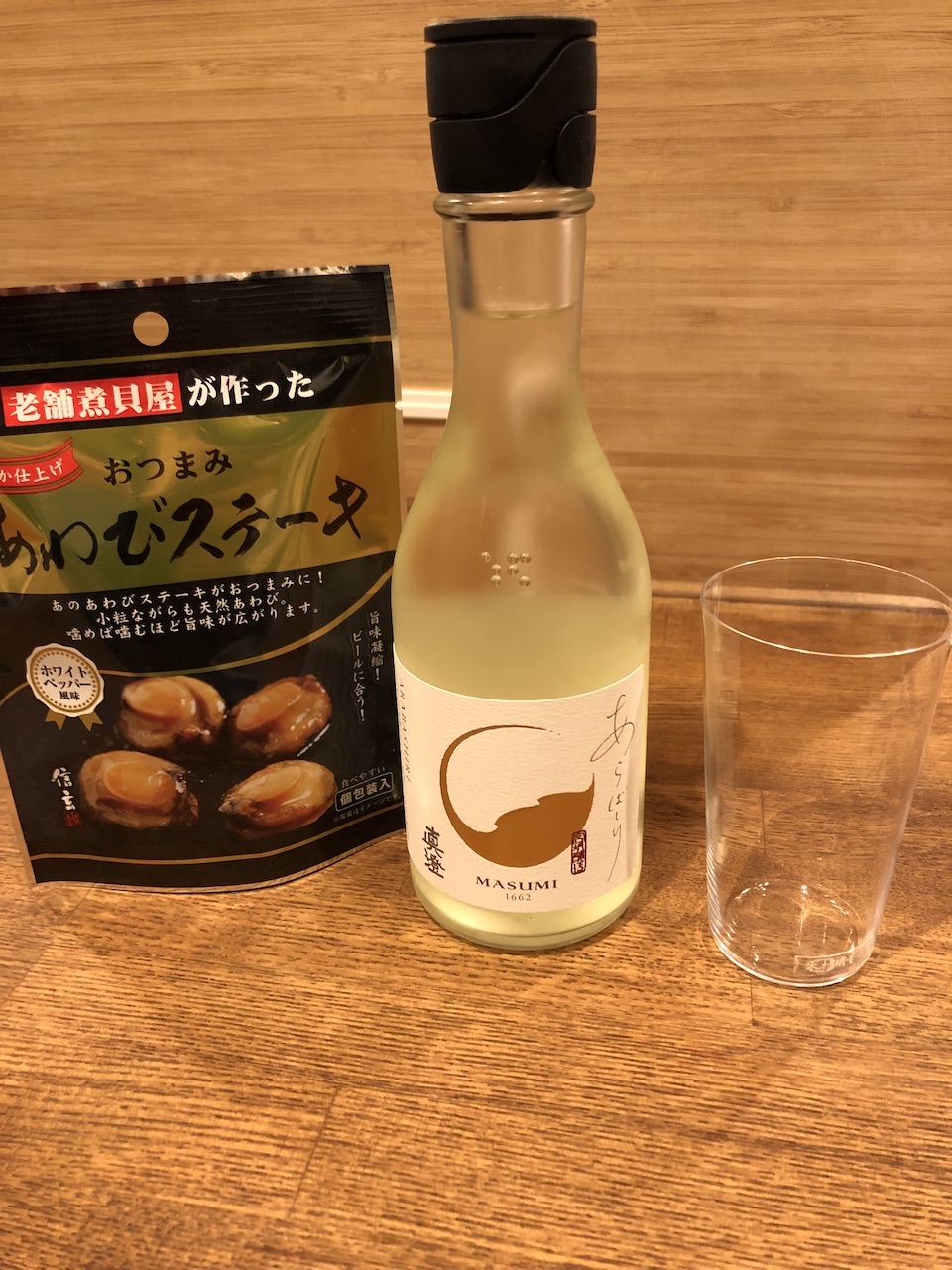
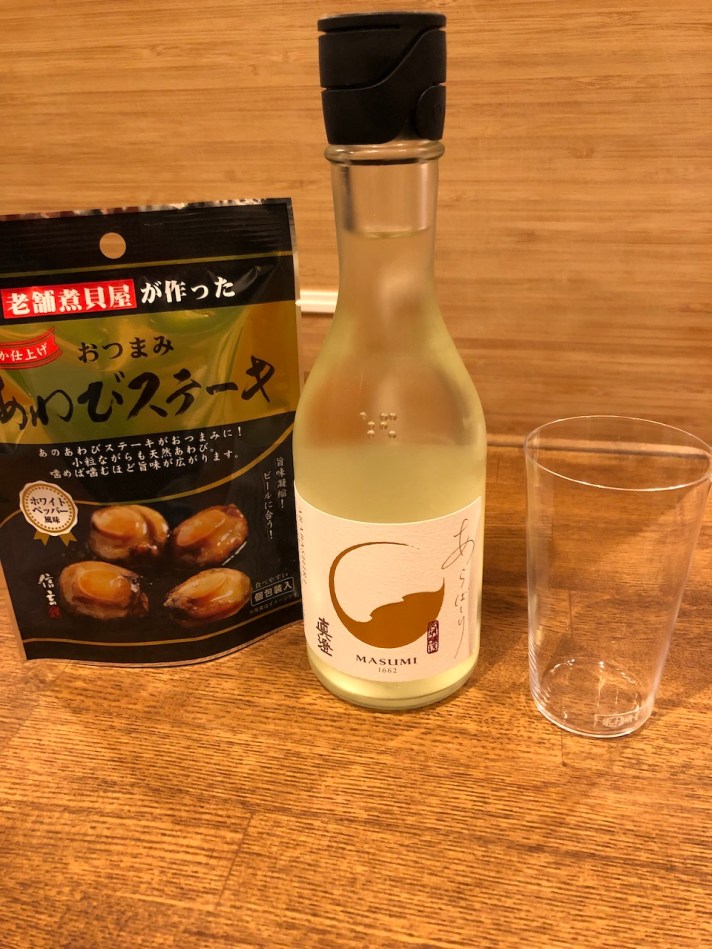
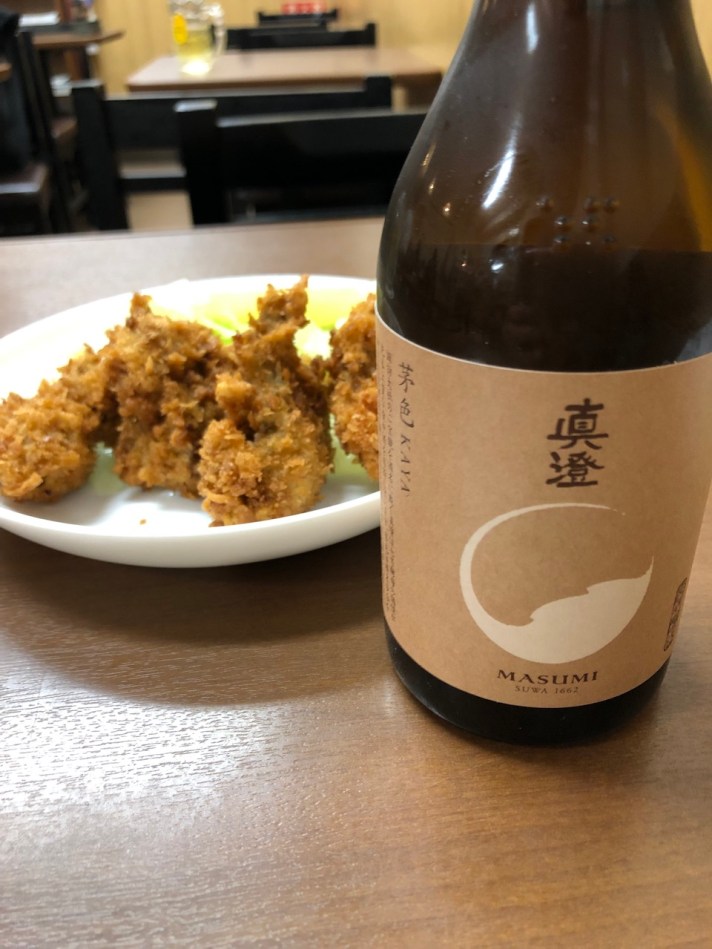
I bought two bottles of sake from the last Nagano Masumi brewery. One of them is called Shinshu “Arabashiri” and the other is called “Kaya”.
The “Kaya” is similar to the “Shistukoku” that I drank last time, and is packaged in a box so that the two are close together in a drinking set. Since I drank the “Shistukoku” last time, I thought I’d go for the “Kaya”. So, here it is.

Masumi Kaya Junmai

Masumi_Kaya_jummaishu
Masumi_Kaya_jummai
Masumi_Kaya_jummaishu
Masumi_Kaya_jummai

In-house strain of yeast No. 7, which is already synonymous with Masumi. The rice polishing rate is 70%, which leaves quite a bit of rice flavor. The 70% rice polishing rate is the main difference between this and other Masumi products. I’ve had Yawaraka type-I and Shistukoku, but the high rice polishing rate is what makes Kaya unique.

Masumi_Kaya_jummaishu

Stylish bottle cap

Masumi_Kaya_jummaishu
Masumi_Kaya_jummai

This time I drank it at the store where I keep my liquor. This is a tasty wine glass to enjoy the aroma.

Masumi_Kaya_jummaishu
Masumi_Kaya_jummai

Gulp!

The aroma itself when you smell it is thin and different compared to the other series, but the moment you put it in your mouth, the unique flavor fills your nose and mouth. The taste is unexpected and not in sync with the other ones, contrary to my expectations. Overall, it is a peculiar taste. Especially for those who have drunk the previous series,
https://japanesesakes.jp/?author=209225249

What is the meaning of the new sake “Arabashiri”?

I wandered off to Nagano last time. I didn’t think anything of it and just went as if I was called by someone.

Later, when I told my friends about my visit to the brewery

They said, “I heard that the new sake is almost ready.

I didn’t pay attention to it… it’s not worth it.

It’s like I’ve been living on luck, relatively speaking…

I’ve bought two bottles of the Masumi series.

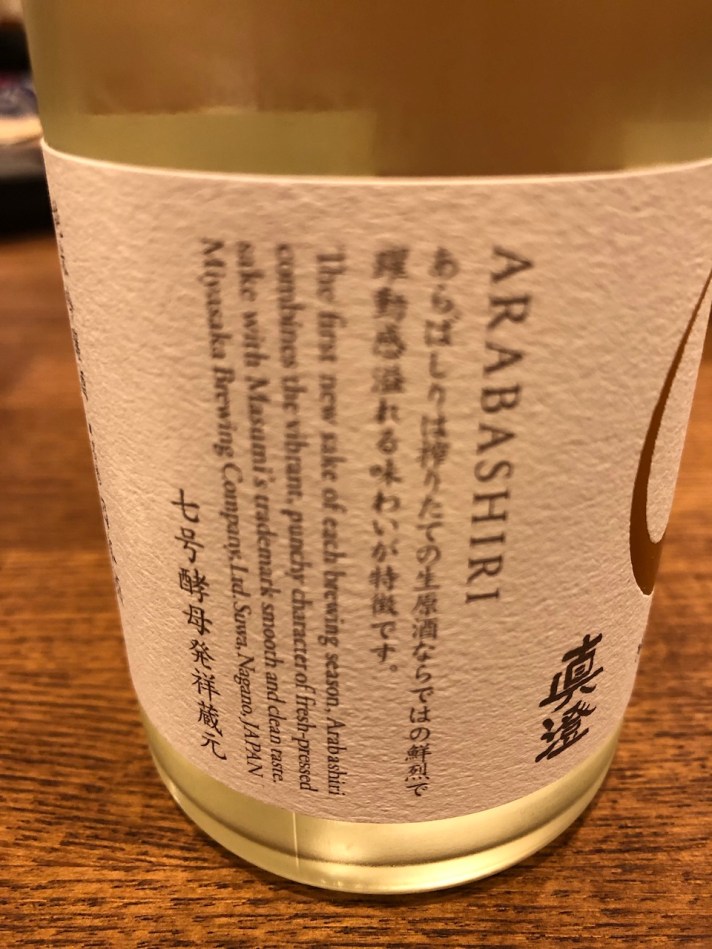
For starters, I picked up a bottle of “Arashiri Masumi Nama Genshu”.

あらばしり
Arabasiri
Arabasiri

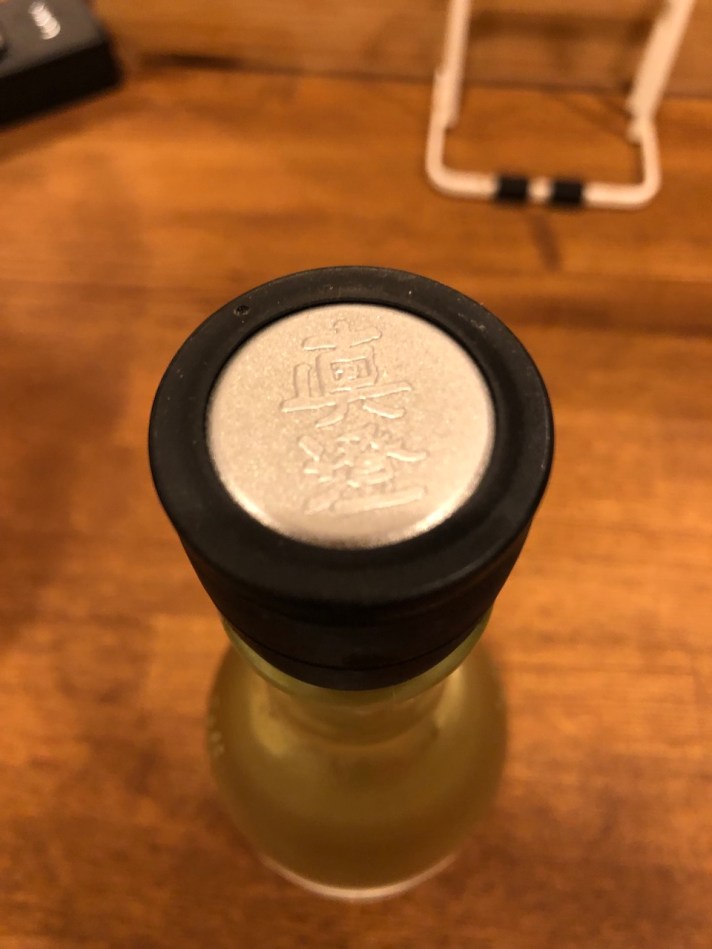
Stylish cap bottle

Stylish cap bottle
Stylish cap bottle

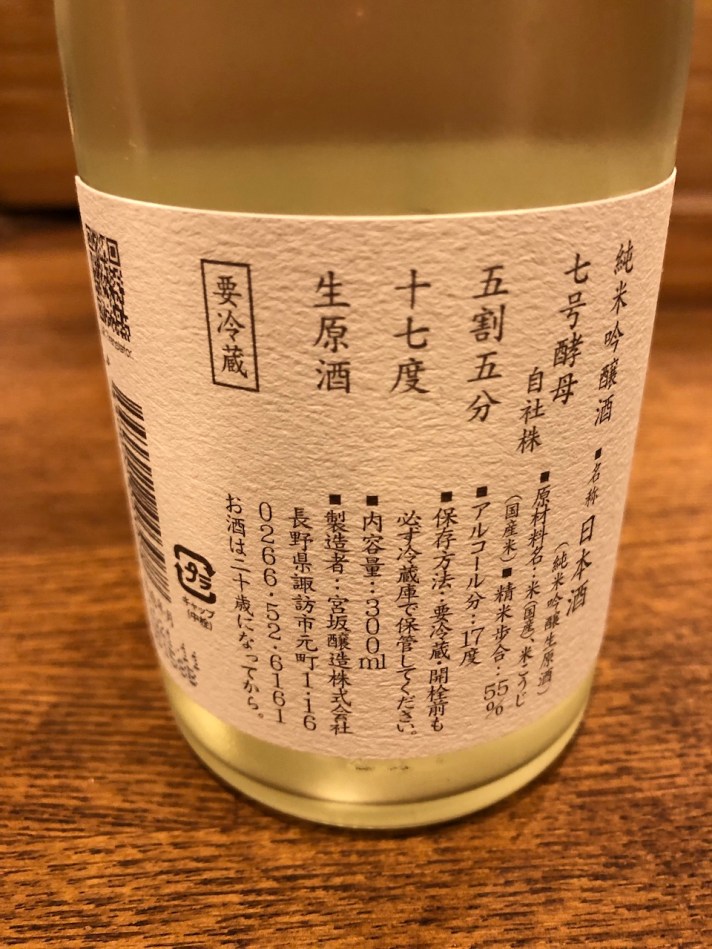
The alcohol content is 17% and the milling ratio is 55%, which is more than the other Masumi series.
Yawaraka T-I is 12%, so even with the same name Masumi, the alcohol content is 5% different.

Now, let’s open the package!

Stylish cap bottle

I think it’s a shame to drink it at this point.

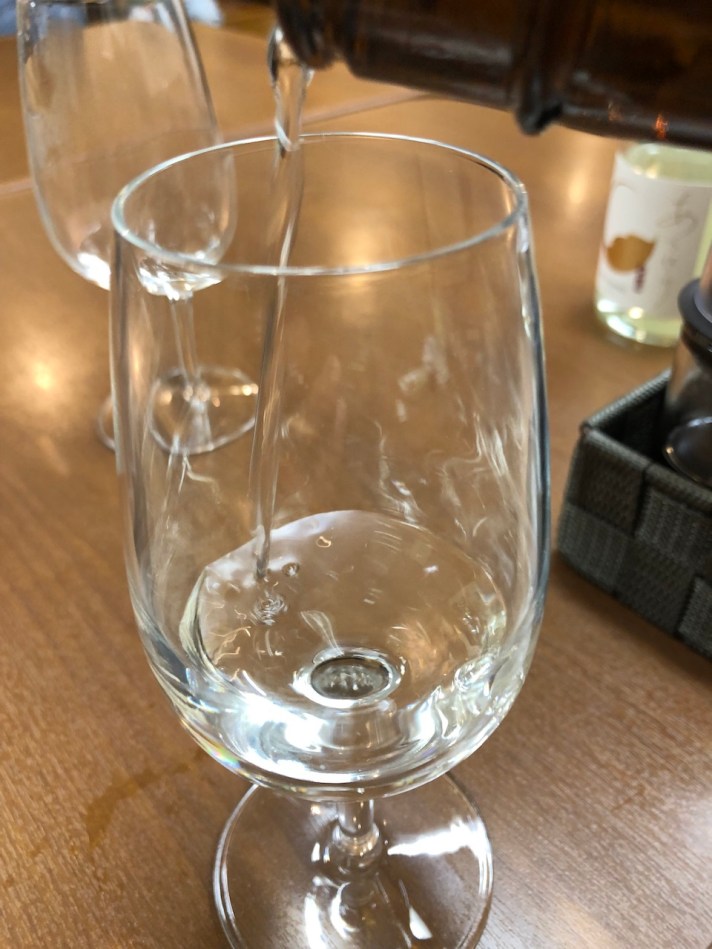
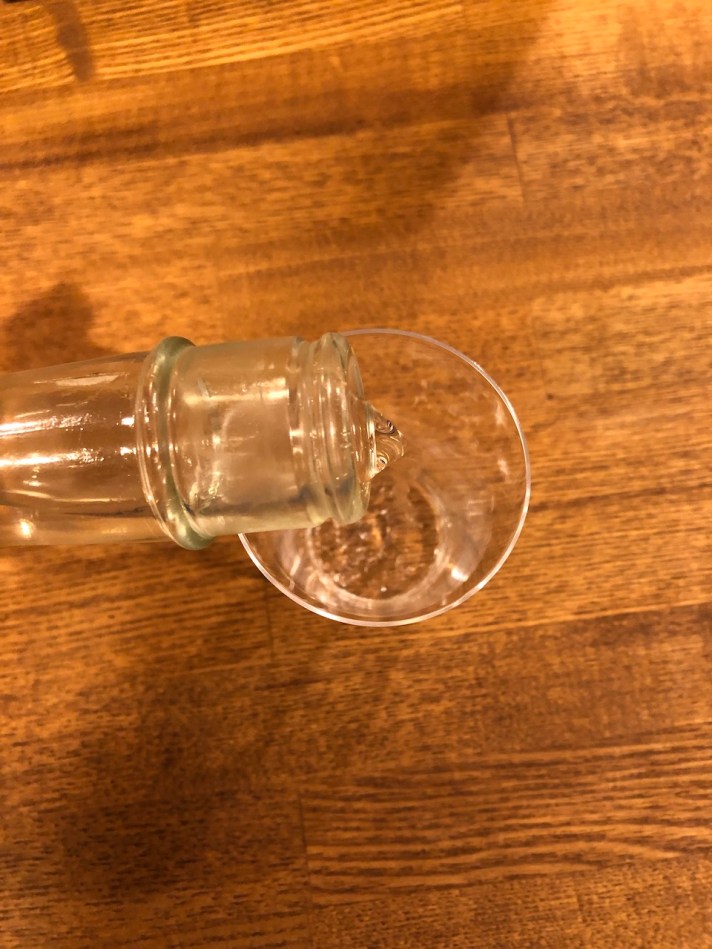
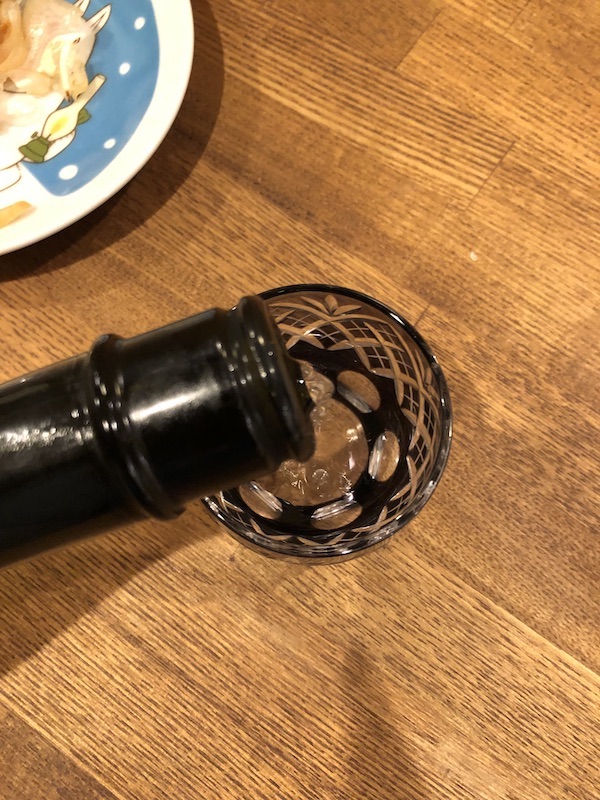
Now, I took my first sip in a glass that might break if I knock it over (I have to be careful every time I wash it).

It’s got a strong impact, and you can feel the “it’s sake” coming through the nose at the same time as the fruity sweetness. It’s just like the Masumi series so far. It’s sharp. A pleasant heat of alcohol is transmitted from the throat to the stomach.

The aroma is neither too strong nor too weak, and the taste is very clear with no miscellaneous flavors. I guess the freshness that fills your mouth all at once is Arashibori raw sake.

It is a refreshing good smelling sake that refreshes and optimizes your mouth at once from the raw smell and fatty feeling such as tuna and other fatty raw fish.

Arabashiri

What is “Arabashiri”?

Arabashiri → Nakadori → Seme 

Imagine precipitation.
“Arabashiri” is clearer and more transparent.

That’s “Nakadori”.
It is a layer closer to the rice and koji of the raw material, which is in between and has more sedimentation than than the upper clear layer.

The last one, ”seme” is the darkest layer, closest to the raw material. The precipitated ingredients are
It is sometimes sold as sake lees. This is the darkest layer, closest to the raw materials.

Imagine that the upper part of the water is clearer.

This is where the sake lees and other ingredients settle. I don’t know if this is a fair analogy, since it’s something you put in your mouth, but that’s how it is.

As a side note, the character for “清=clear” in sake also comes from the same idea of clarity.

Travel companions I met along the way

abalone
abalone
abalone

Although there is not much in it, this abalone flavor is unexpectedly delicious.

It’s bite-sized, so it disappears from your mouth in a flash, but…

I suddenly wondered if this abalone was captured when I was small.

In Japan, abalones are usually so big that they can be made into steaks, and are considered a luxury food.

It’s peaceful again today!

UTC12, 1:30 PM 0 boosts 0 favorites

https://japanesesakes.jp/?author=209225249

Masumi, an Easy-to-Drink Sake Wine for Beginners

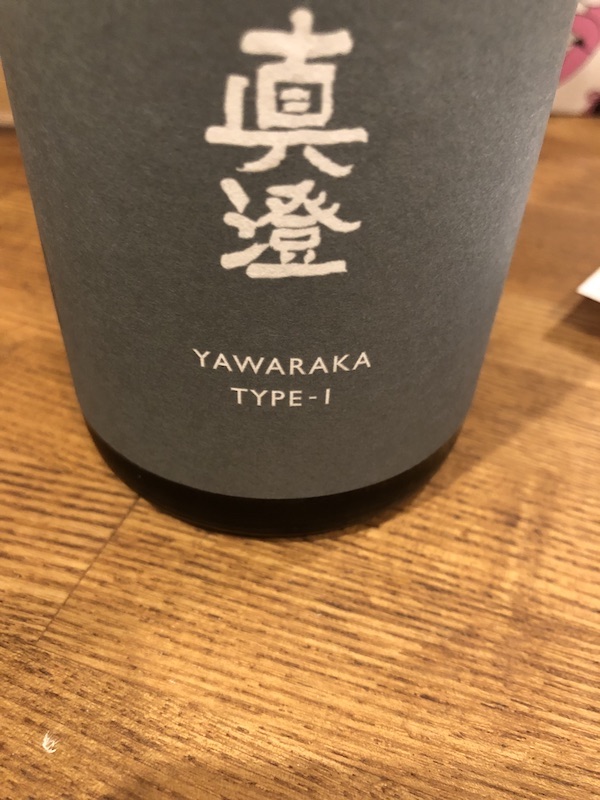
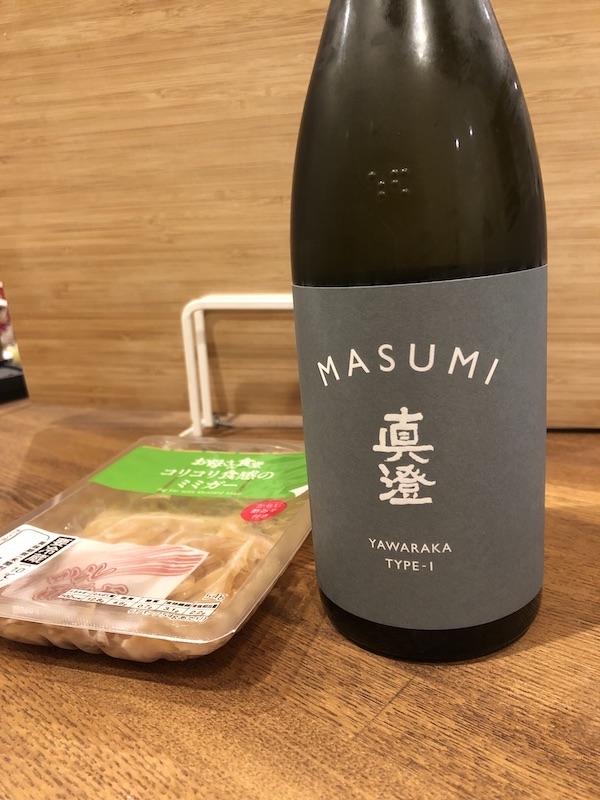
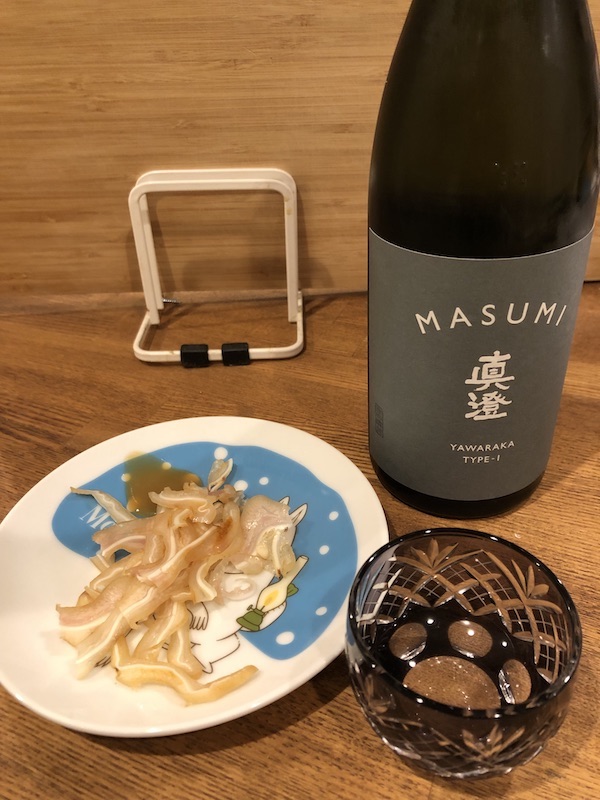
Drinking alone today. Masumi Junmai Ginjo TYPE-I 

I went to Queen’s Isetan on a whim. I went to see if I could find anything that looked good.

Last time I drank something else, I remembered that Masumi is delicious, so I picked it up.

“TYPE-I”! It looks like a robot.

Masumi Junmai Ginjo TYPE-I

masumi type-I
masumi type-I

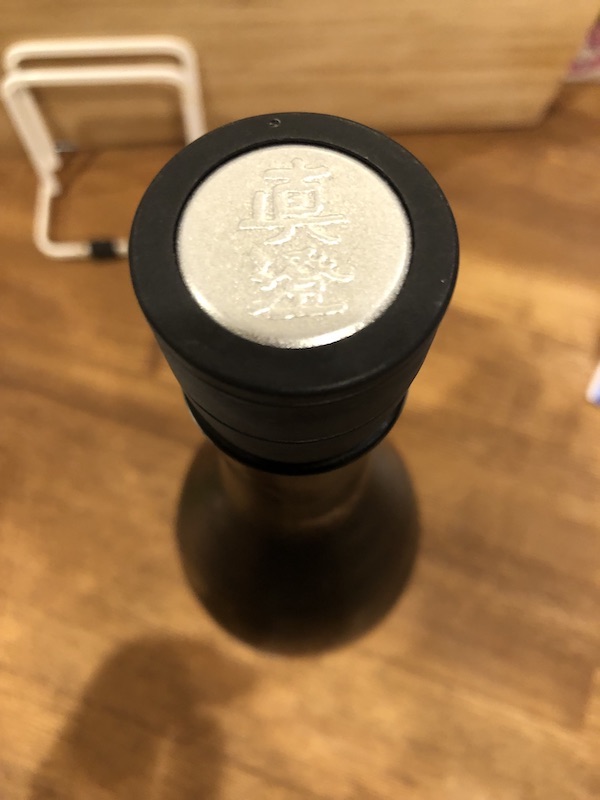
The bottle cap is a stylish cover type.

masumi type-I
masumi type-I
masumi type-I
masumi type-I

Opening the package

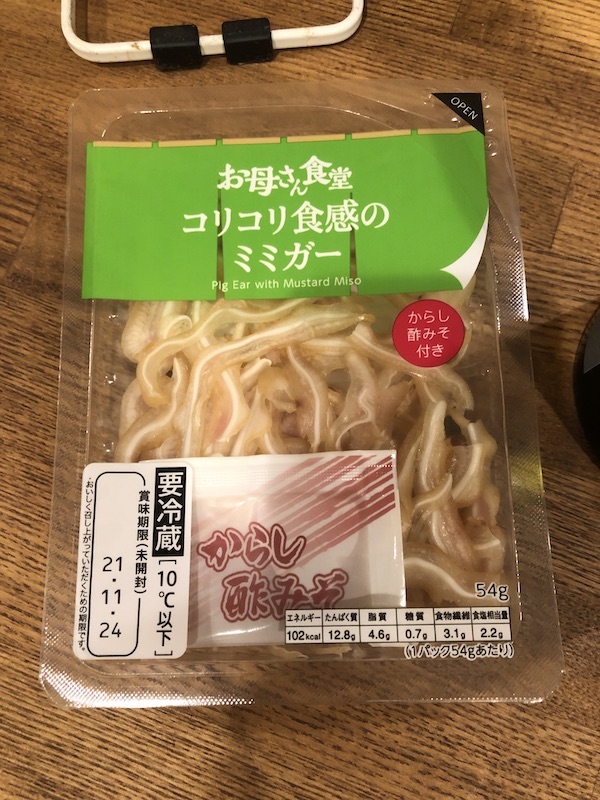
pig-ear

Today’s entrée is a moderately austere item from the convenience store

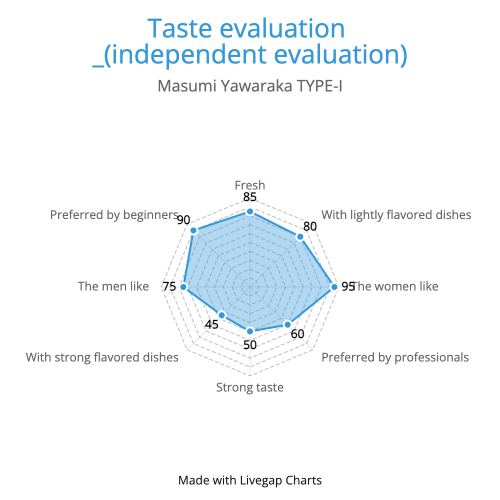
chart
masumi type-I
masumi type-I
masumi type-I
masumi type-I
masumi type-I
masumi type-I

Fruity Sake

The aroma is sweet and fruity. The first sip is very mellow and easy to drink. The mouthfeel is gentle, and gradually the sweetness and aroma spread and the scent leaves the nose. It is a light and fragrant sake that will be popular among women. It can be served with sashimi or with other sweets such as Western sweets. Light ingredients are recommended.
If you feel that it may be a bit lacking for drinkers.

masumi type-I
masumi type-I

The alcohol content is moderate at 12 degrees. No wonder it’s so easy to drink.

masumi type-I
masumi type-I
What is the Mimigar
pig-ear
pig-ear

I can’t get enough of the mustard vinegar miso.

mimiga
mimiga

Mimigars are the parts of the pig’s ear that have a crunchy, cartilage-like texture.

It is rich in collagen and is expected to be effective for health and beauty.

It is a famous local food in Okinawa.

In Tokyo, you have to go to an Okinawan restaurant to eat it easily, but now you can get it at convenience stores.

masumi type-I
masumi type-I
mimiga
mimiga

They are crunchy and the taste of the ear itself is not very good, so they taste best when eaten with seasonings such as vinegared miso. The seasoning is up to you, so you can add mayonnaise if you like. The texture is similar to that of hard gum. If you come to Japan, you should definitely try it. Don’t think of them as ears, but as delicious meat.

Today, too, will pass peacefully.

masumi type-I
UTC12, 1:30 PM 0 boosts 0 favorites

it suddenly seems to have a very unique taste from the clear taste of the past. It’s like an irregularity in an idol group where only one person says something strange. The sweetness of the rice and the unique aroma of the rice is a bit peculiar, and you may or may not like it, depending on whether you are used to drinking sake or not. I think there is a difference in the rice polishing ratio here. It is best served cold or at room temperature. Once you drink it, you won’t forget it, it has such an impact. It is a scented sake that seems to go well with fermented foods such as miso.
Masumi_Kaya_jummaishu

A Brief History of Masumi

  1. Founded in 1662The Miyasaka family was a vassal of the Suwa family, which ruled this area until the Warring States period, but they were tossed about in war and became a liquor store, leaving their swords behind.
  2. In 1946, Dr. Shoichi Yamada of the Ministry of Finance’s Brewing Research Institute discovered a new type of yeast in Masumi’s brewery. This excellent yeast, named “Kyokai No. 7,” quickly spread to sake breweries all over Japan.
  3. The yeast discovered and cultivated at the “Sakuramasa brewery” was distributed in limited quantities as “Kyokai No. 1 yeast”. There are two to six yeasts in between.
  4. In 1946, Dr. Shoichi Yamada of the Ministry of Finance’s Brewing Research Institute discovered a new type of yeast in “Masumi’s brewery”. This excellent yeast, named “Kyokai No. 7,” quickly spread to sake breweries all over Japan.
  5. The yeast discovered and cultivated at the “Sakuramasa brewery” was distributed in limited quantities as “Kyokai No. 1 yeast. There are two to six yeasts in between.

Yeast No. 7 is “suitable for producing sake with a calm aroma and a well-balanced flavor.

I ordered fried oysters, my favorite dish.
Masumi_Kaya_jummaishu
oysters


Do you know what fried oysters are? It is a popular food in Japan.

It’s an extravagant dish that makes me wonder whether to use tartar or sauce every time. It’s a simple and delicious way to fry oysters, but I’ve never seen it overseas.
You can eat them with tartar sauce or sauce. Tartar sauce is a mixture of mayonnaise and crushed egg. It is a very tasty sauce that you can put on anything.
The best oyster fries are those that are fried at the right temperature to make them chewy. The best time to eat oysters is when they are freshly fried. 

The taste of the restaurant is as stable as ever.

I’m going home drunk again today.


Leave a Reply

Your email address will not be published. Required fields are marked *