
Take a break once in a while_Yukinobosha ←#6

Japanese Saki(Ginjo,Seisyu) If you eat sushi or go the sushi bar, you should also drink Japanese sake. Isn’t that what a foodie does!
Tonight, too, I drink it alone and quietly.
I found out that “Yamahai” is popular in China, and I suddenly wanted to compare them.
I noticed that it was easy to drink when I drank “Yamahai” at a nearby pub that mainly sells Japanese sake, but I neglected it. I got this information and ran around.
I did some preliminary research and found out that QUEEN’S ISETAN (Excellent stores in Japan that carry a variety of products.)has some of the best sake in the world, so I hopped to go on my bicycle.
I didn’t want to buy a bottle of sake, because that’s too much for me. . I found a reasonable 180ml bottle.
At the checkout counter, I made like a middle-aged man who only buys sake, and come home.
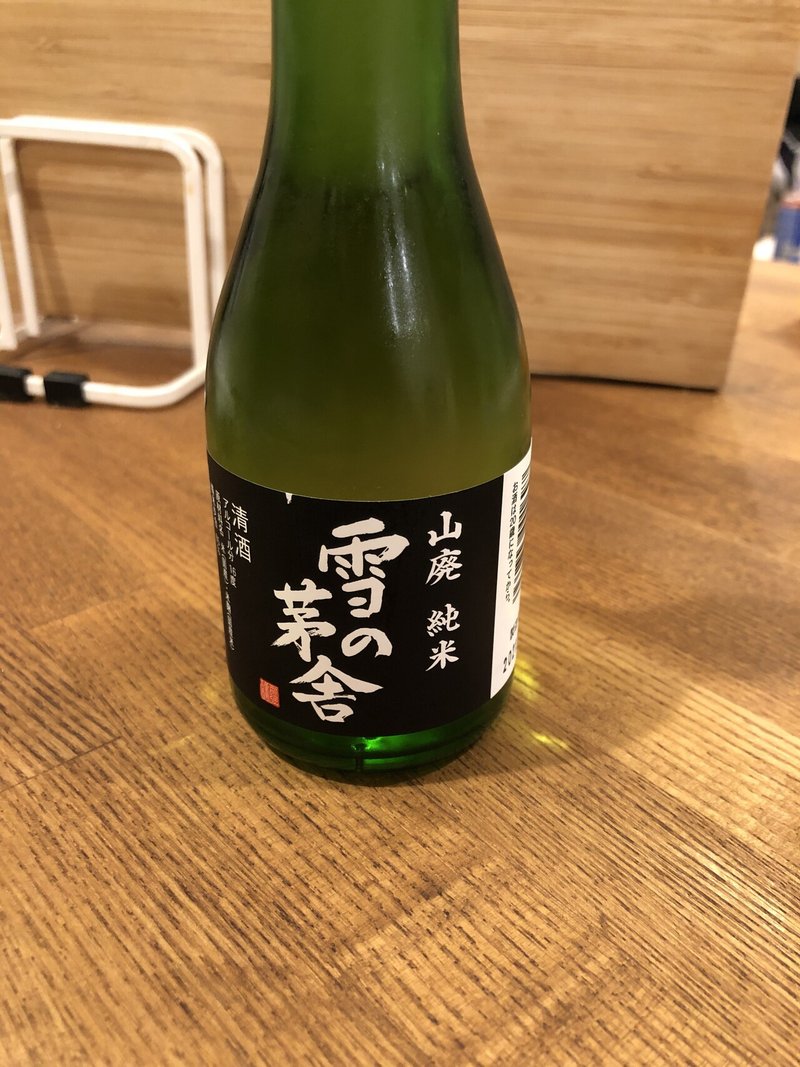
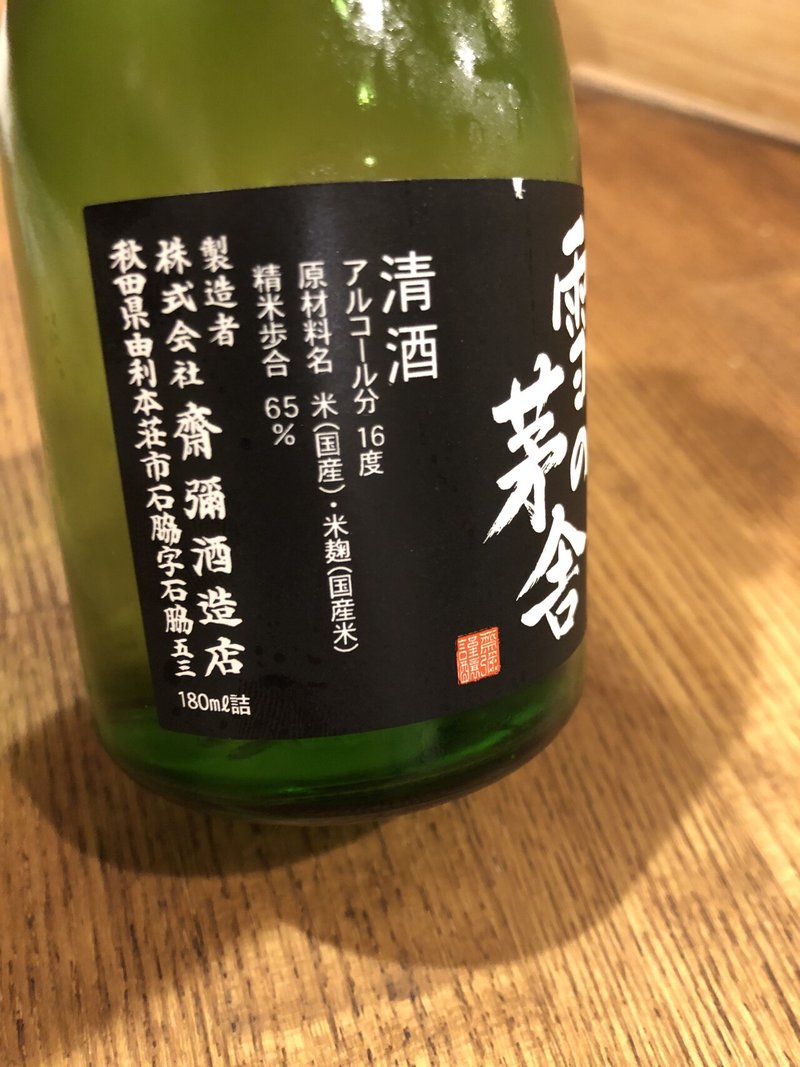
What is Yamahai”山廃”!
Self-interpretation.
My interpretation is that it is similar to yogurt.
(It’s just an analogy, so if you’ve guessed, skip to the end.)
I ordered a yogurt machine as a wedding gift, and it arrived.
The instructions say (briefly and simply): buy yogurt, add milk, and culture it daily.
In other words, keep making and fermenting bacteria all the time. That’s what it means.
(I used it once and failed. I can’t manage a bed of rice bran by myself.
I buy Bulgarian yogurt at the convenience store…)
This is an alcoholic beverage version of that. This is the process of growing lactic acid bacteria.
There is a difference between growing lactic acid bacteria naturally or artificially, and naturally, the natural process takes a lot of time and effort, while the artificial process is the opposite.
The above process is called “Yamaoroshi””山卸” or “Kimoto””生酛”.
The phrase “Yamaoroshi””山卸” is used to describe the process of abandoning Yamahai”山廃”.
The process of adding water to the sake mother rice and grinding it down was a steady process. This process was called “Kimoto””生酛” and was used in all sake brewing until the Meiji era. After that, the National Institute of Brewing Research was established and the term “Yamahai”山廃” started to appear.
There are many theories, but you can see the difference in taste for yourself.
Yuki no Bosha Yamahai Junmai “雪の茅舎 山廃 純米”
As you can see from the image, Yamahai has an aroma that is unique to Japanese sake.
However, when you try it, you will find that it is very easy to drink with a thin acidity. It has no peculiar taste.
There is no change in the second sip, and the taste can be drunk at the same pace. It maintains a constant level of drinkability.
It is considered to be a “Mellow flavored sake”. “Junmai-shu” and “Tokubetsu junmai-shu” are the most common examples. It seems to go well with strong snacks such as grilled fish.
Over time, as it loses its coldness and reaches room temperature, the richness characteristic of sake becomes stronger, but it is easier to drink than other darker sake. If you are not a fan of this richness, it is best to keep it chilled.
You will finish it in no time at all. It is easy to drink. Please try it.
Thank you for reading to the end.
If you find it interesting, please follow me.
And please come visit me in Japan.

-
Self Introduction

I drink sake (Ginjo)every day and tell people overseas how delicious it is.
-
I happened to stop by a bar for a drink, and the brewery owner was there. Daisekkei

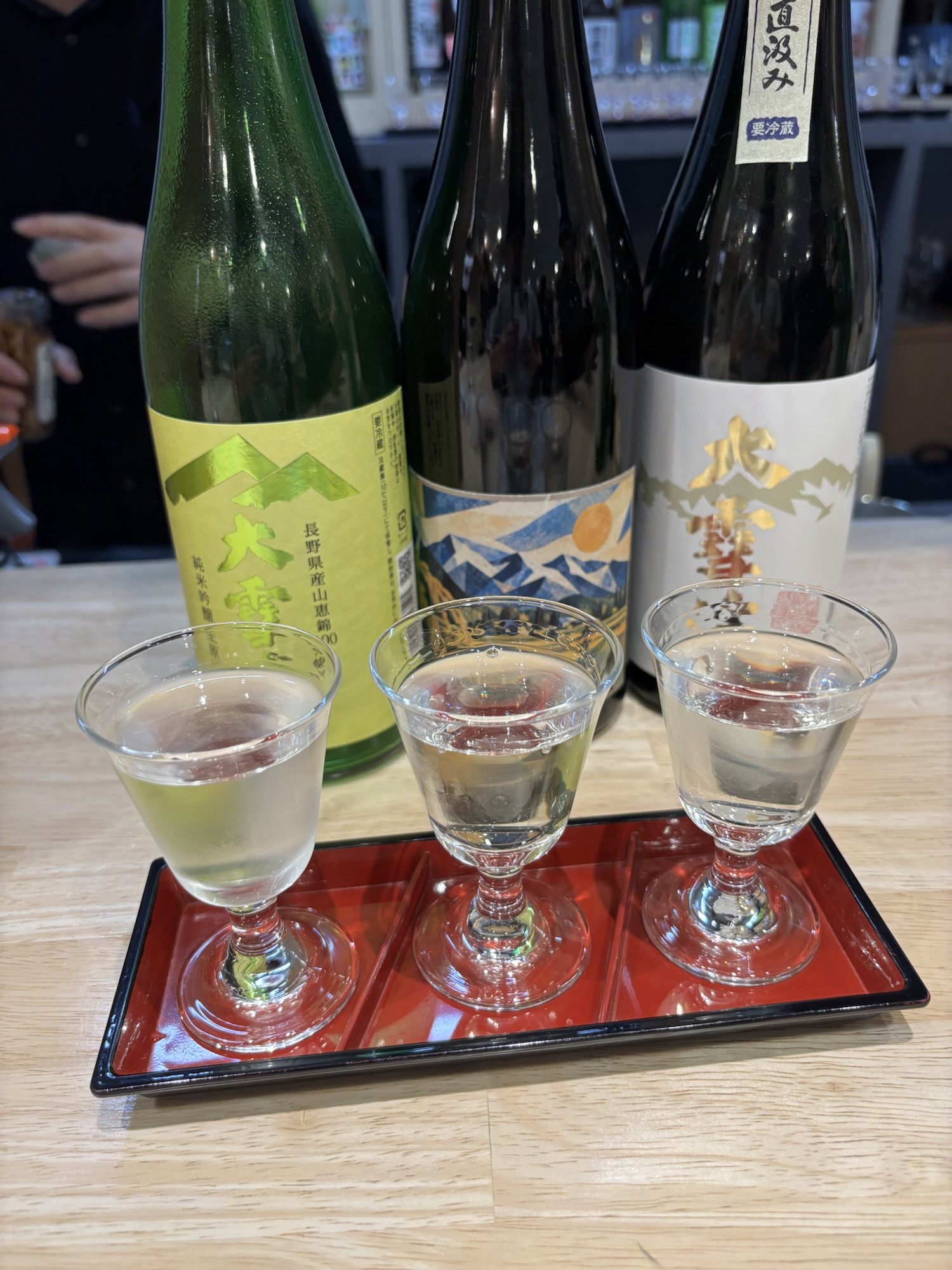
Another Cozy Night of Drinking Alone Today I stopped by my favorite standing bar. By chance, someone from the Daiseikei brewery was there, so I asked them all sorts of questions. Daisekkei Tasting Set 16% ABVIt has a sweet aroma. The first sip is very fruity and easy to drink. As the brewery representative mentioned,…
-
It’s a sake-only all-you-can-drink bar with a time limit, but this time I only had a little sake. Jimbocho, Tokyo
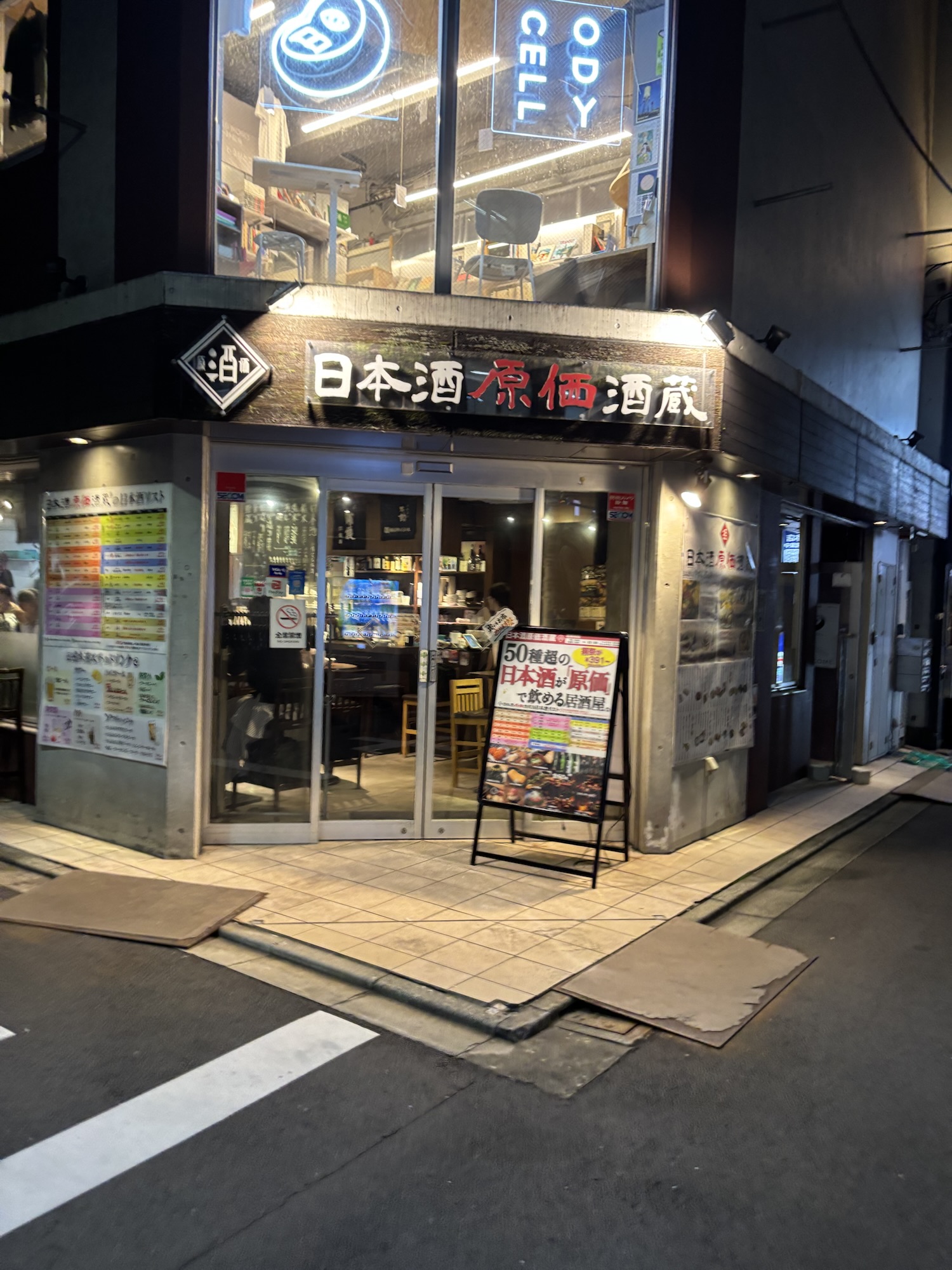
Today, I went to a bar where I can drink plenty of sake while taking some time for myself—not to drink alone, but with a coworker. Sake Genka Sake Brewery: Jimbocho Branch About a 10-minute walk from Jimbocho Station on the Toei Mita Subway Line The restaurant is divided into an area near the entrance…
-
Let’s pair it with sake and sushi from Toyama Prefecture. Toyama is a region known for its delicious sushi.
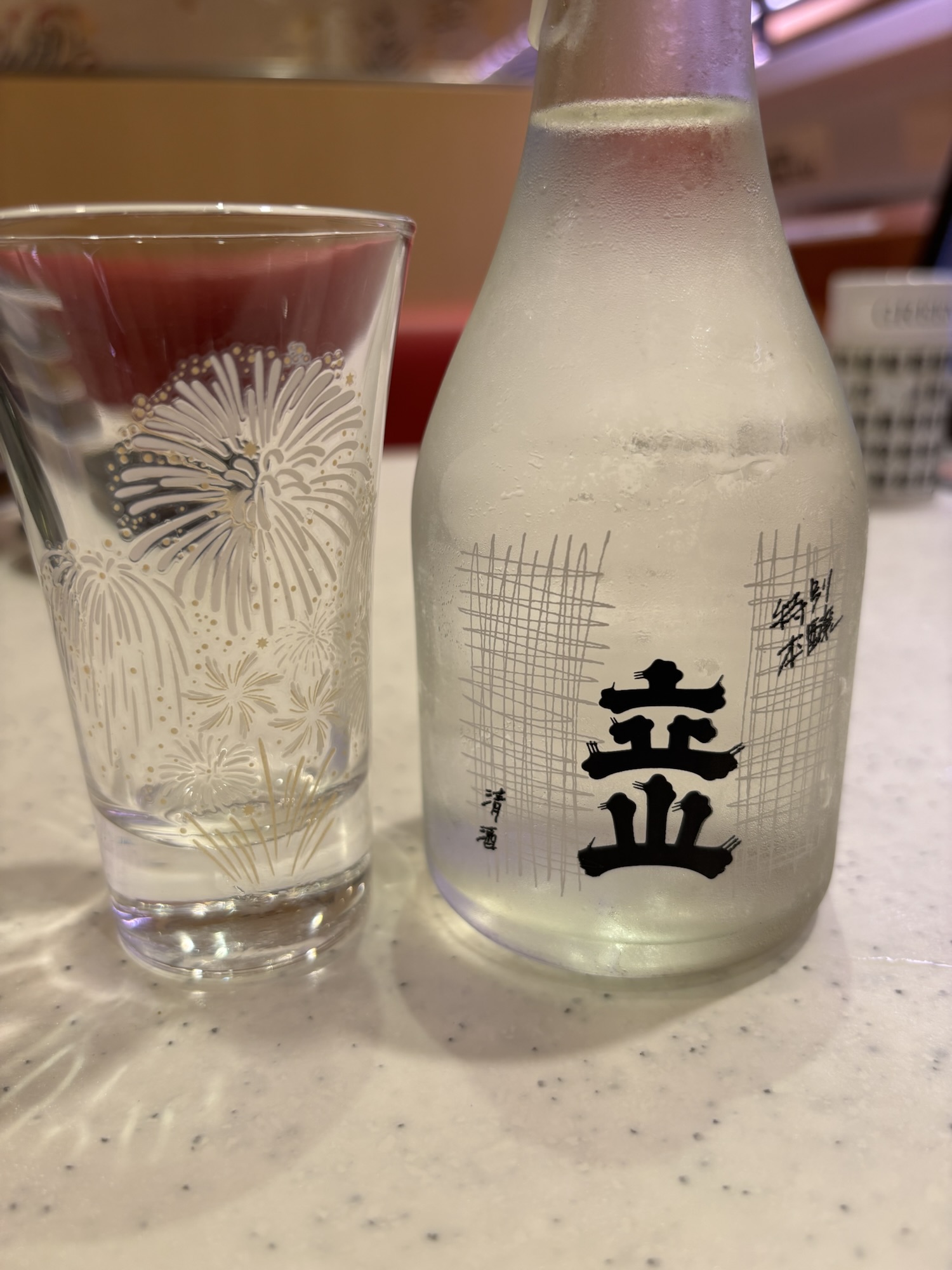
Another cozy night of drinking alone today.This time, I decided to treat myself to a little luxury as a single adult, so I enjoyed some sake at a conveyor-belt sushi restaurant called Premium Kaiō in DiverCity, Odaiba. Tateyama Tokubetsuhonjo When I looked up this restaurant, I read that it serves fresh sushi made with ingredients…