
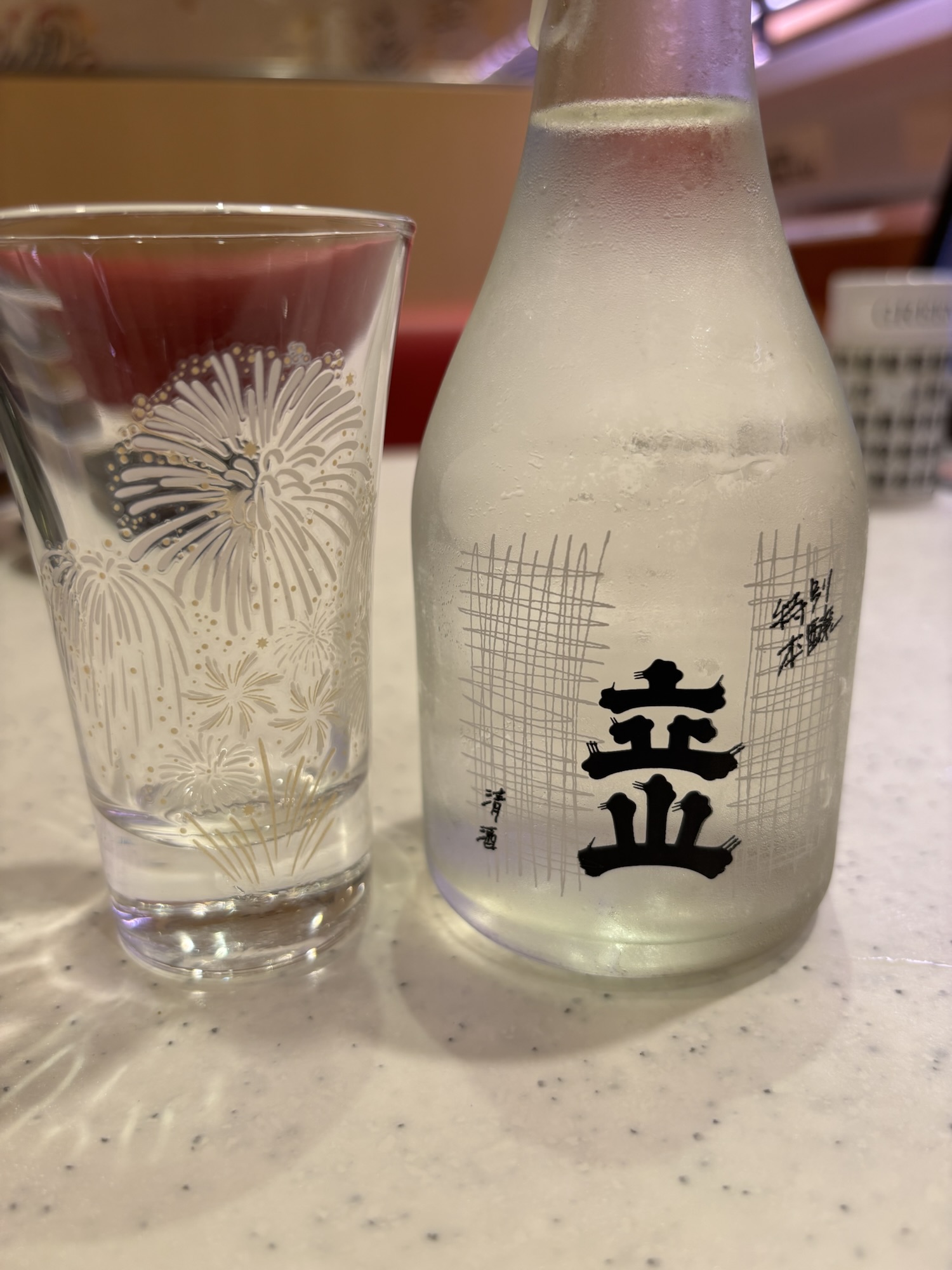
Another cozy night of drinking alone today.
This time, I decided to treat myself to a little luxury as a single adult, so I enjoyed some sake at a conveyor-belt sushi restaurant called Premium Kaiō in DiverCity, Odaiba.
Tateyama Tokubetsuhonjo
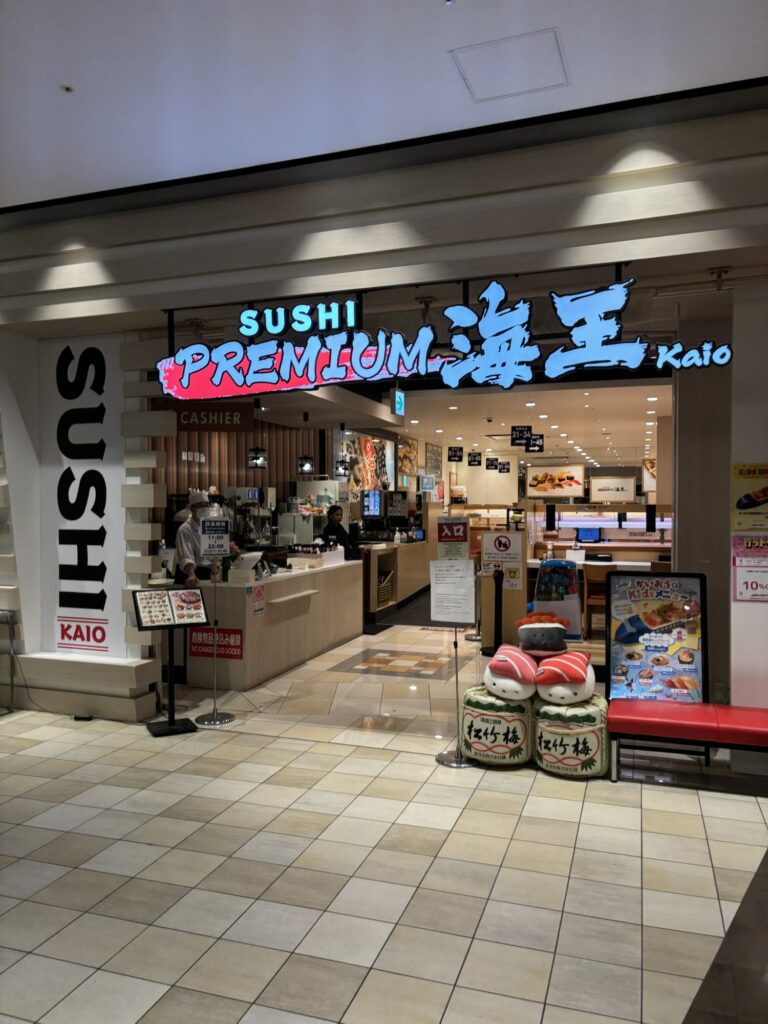
When I looked up this restaurant, I read that it serves fresh sushi made with ingredients from Toyama Bay. Sure enough, they had “Tateyama,” Toyama’s famous sake. The other sakes on the menu are also from Toyama Prefecture.
Sake has been getting more expensive lately, hasn’t it? So I’ll try a small bottle.
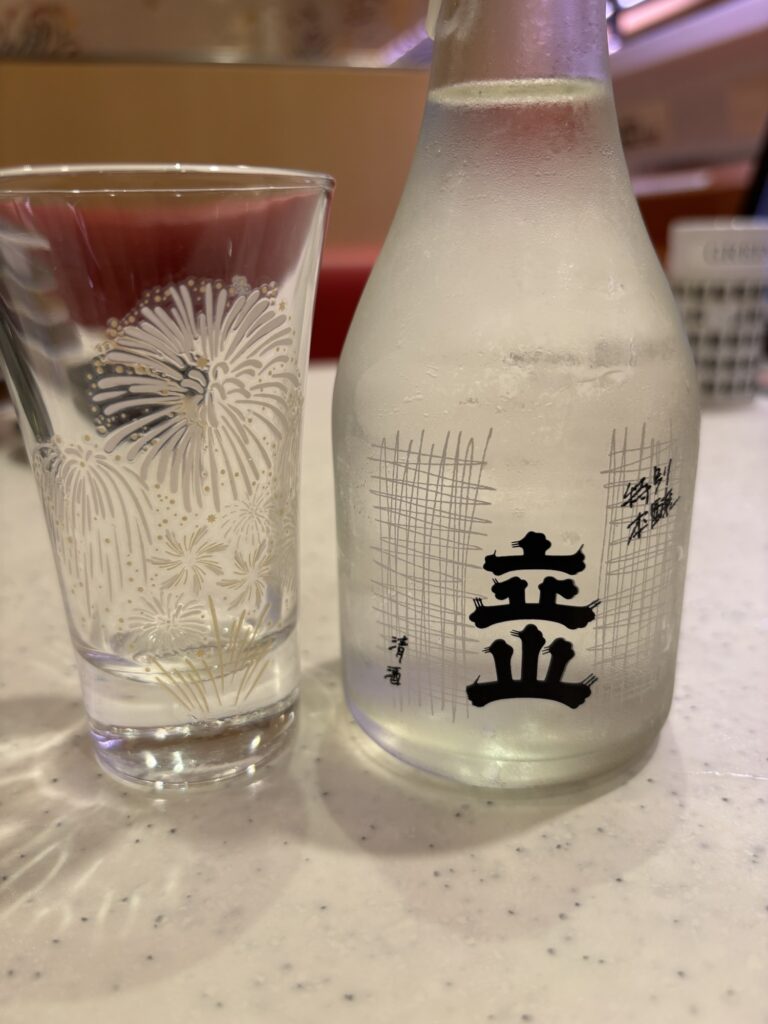
Koji Rice: 59% Kake Rice: 59%
Definition and Characteristics of Tokubetsu Honjozo
Ingredients: Rice, rice koji, water, brewing alcohol (10% or less of the weight of polished white rice).
Rice Polishing Ratio: 60% or less (compared to 70% or less for standard Honjozo). Because the rice is thoroughly polished, it has minimal off-flavors.
Special Brewing Methods: Crafted with meticulous care by the brewery, such as through long-term low-temperature fermentation or the use of specific sake rice varieties.
Role and Characteristics of Kake-mai
Accounts for approximately 70% of the total: The majority of the rice used in sake brewing is used as kake-mai.
Dissolves to form the base of the sake: Enzymes produced by koji convert the starch in the kake-mai into sugar, which then undergoes alcoholic fermentation to become sake.
Added in Stages: To prevent the growth of unwanted bacteria and maintain a balanced fermentation, it is added to the tank in several batches (e.g., “three-stage brewing”).
Differences from Koji Rice
Koji Rice: Rice used to cultivate koji mold to produce “rice koji” (approximately 20–30% of the total).
Kake-mai: Rice that is not used to make koji; it is cooled and then added directly to the tank as is.
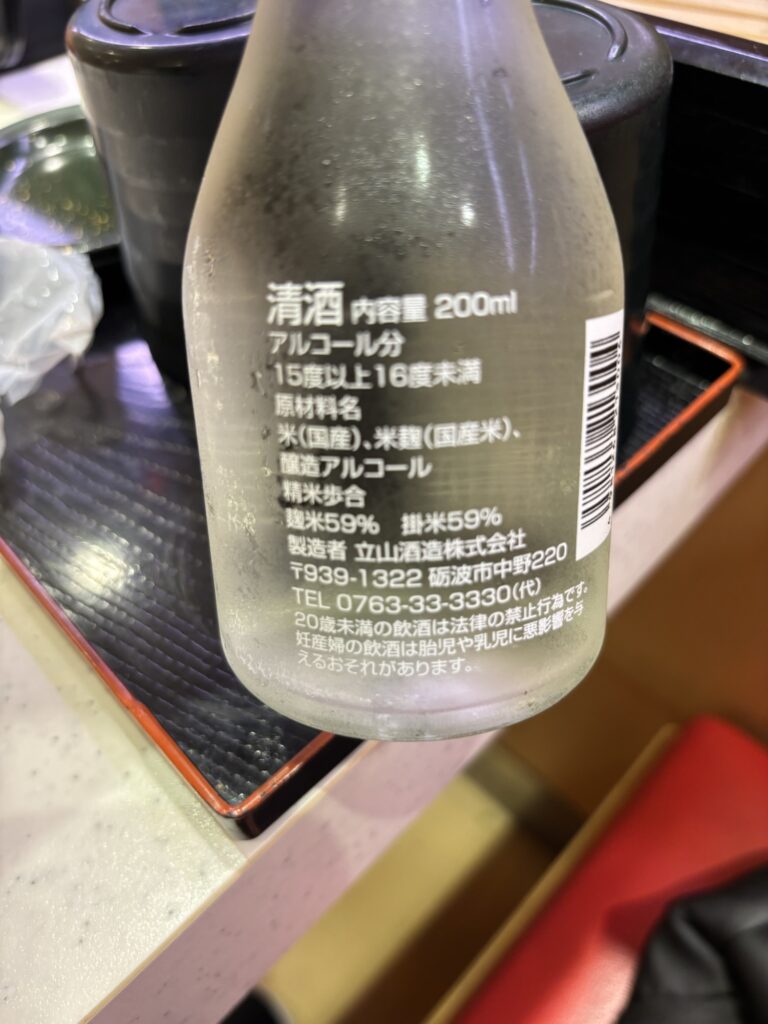
Opening
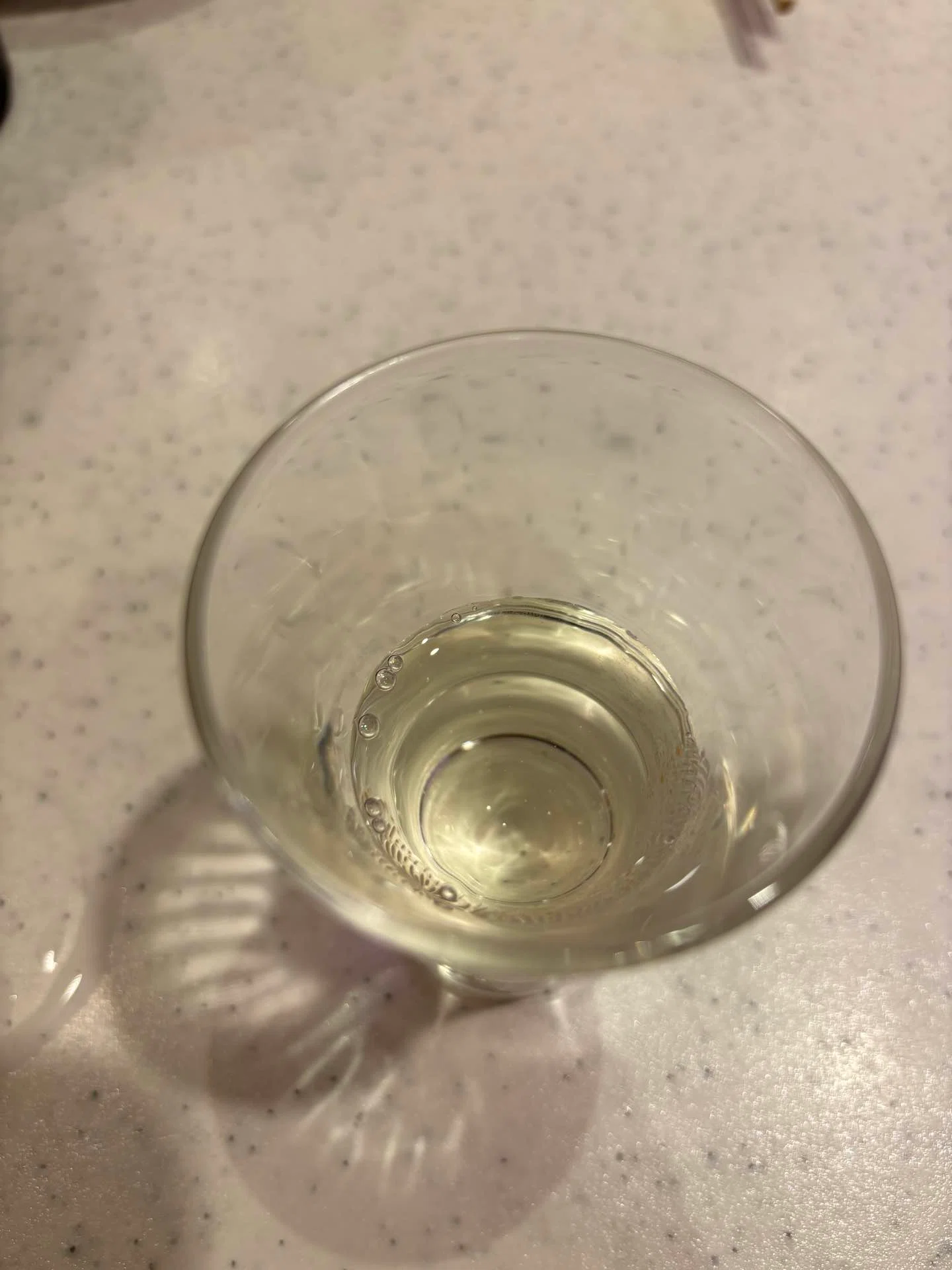
And then I opened the bottle.
It looks a little yellowish.
Evaluation of Tatayama Tokubetshonjo Taste

Tateyama Tokubetsu Honjozo is sweeter than I expected. I thought it might have a more traditional sake flavor, but it has a modern sweetness—the kind that makes you think you’ll get tired of it after drinking a certain amount, rather than sipping it slowly over a long period. It doesn’t pair particularly well with sushi; a slightly drier, more dry-style sake might be a better match. However, it’s perfectly enjoyable for beginners or as a meal accompaniment. It’s easy to finish in one sitting, with no off-flavors and a clean, refreshing aftertaste, making it ideal for beginners. Because of its sweetness, it’s easy to drink, but you might get tipsy quickly if you’re not careful.
Today’s snack is Sushi
Click here for more information about this sushi restaurant.
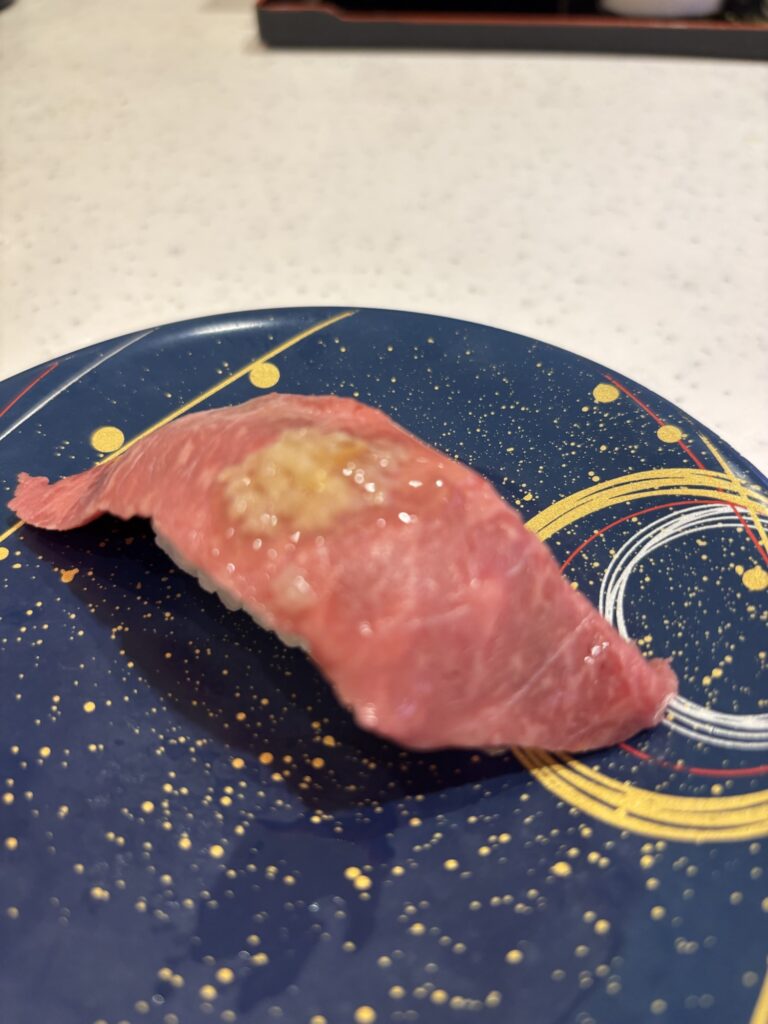
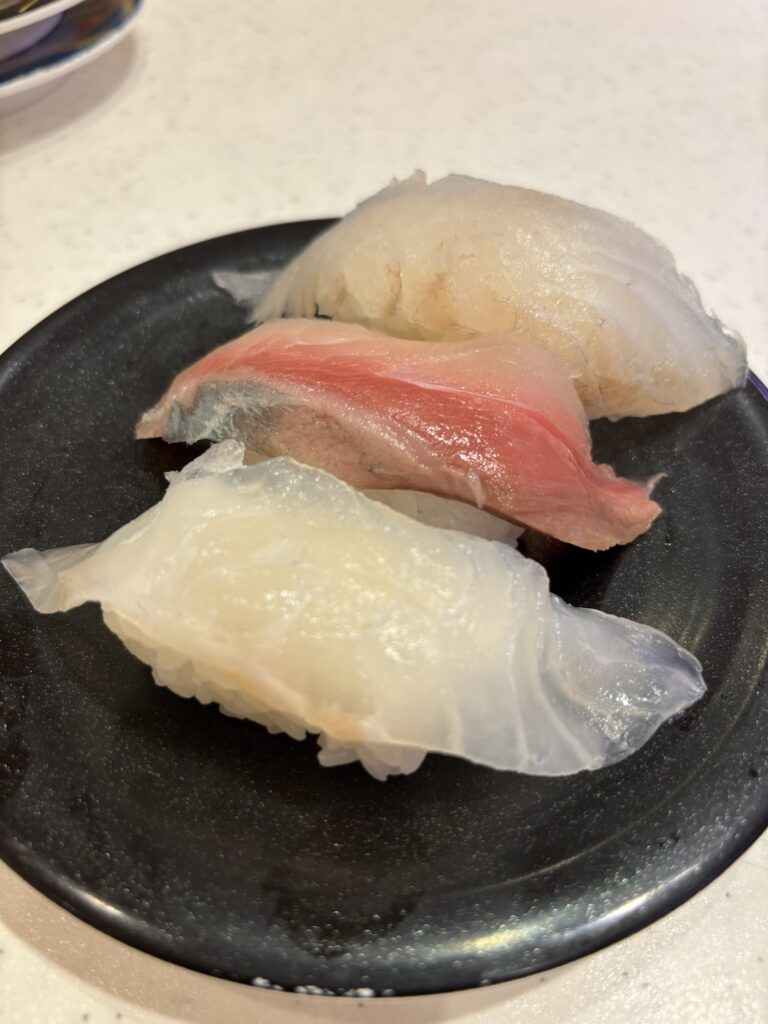
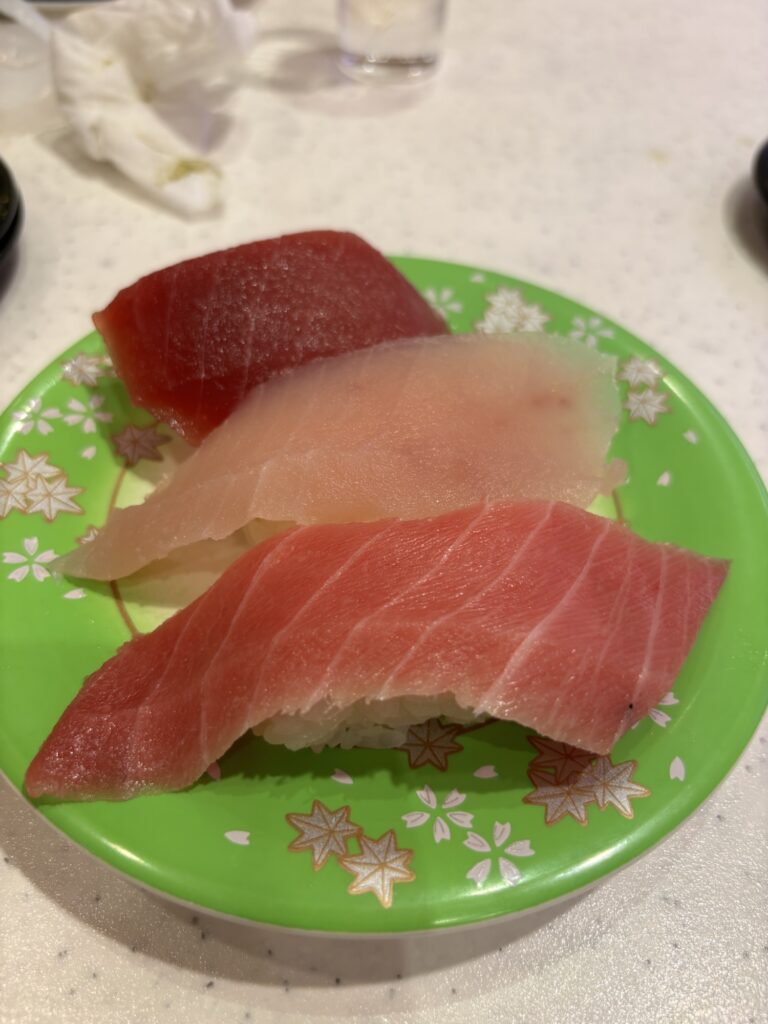
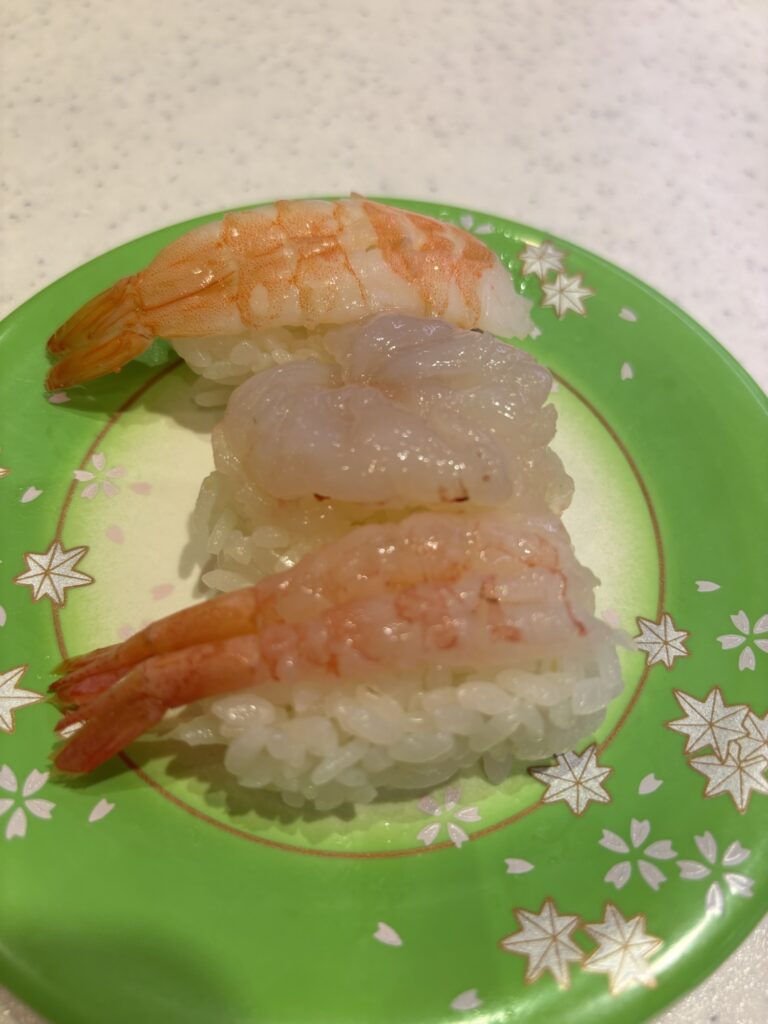
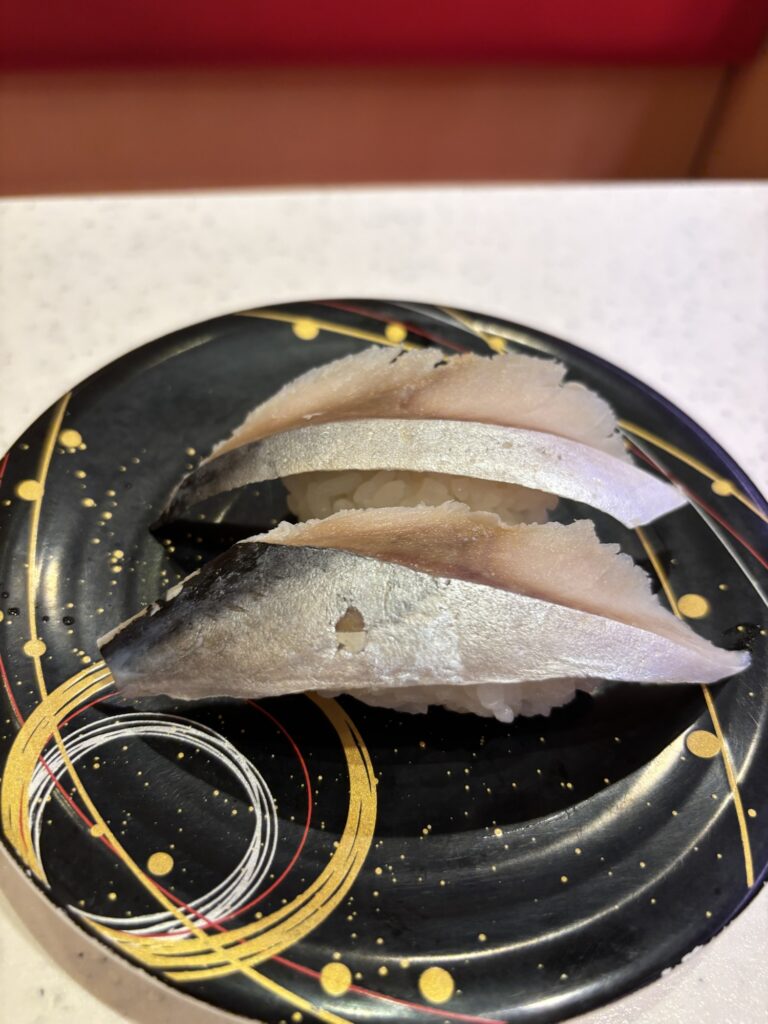
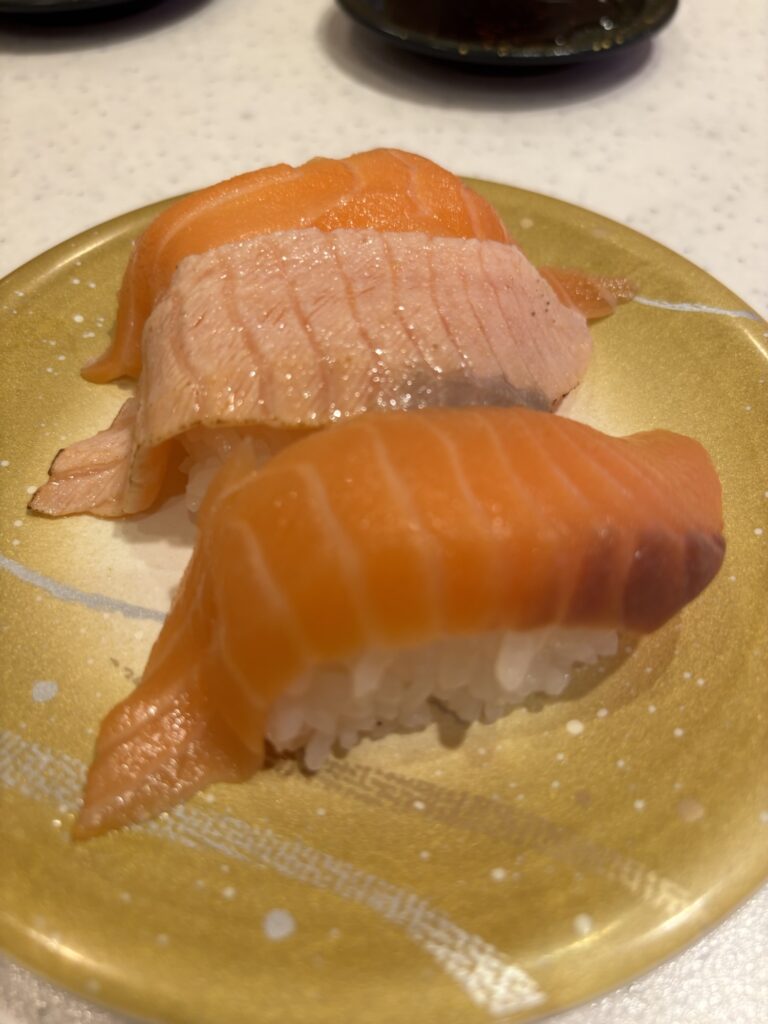
It was a classic pairing. The sweetness of the sushi and the sweetness of the sake complemented each other perfectly, putting me in a great mood. Sake really is the perfect match for sushi.
It’s nice to do something like this every once in a while. I was completely full.
I wonder what I’ll drink tomorrow.



You mention that “It doesn’t pair particularly well with sushi”, but later describe the two sweetnesses as complementing each other perfectly. Did particular sushi toppings make the pairing work better, or did your impression of the sake change as the meal went on?
Thank you for your question.
When it comes to sake that pairs well with sushi, I find it interesting how the flavor of the sake changes when enjoyed together with sushi. This sake can be enjoyed on its own, and it pairs reasonably well with sushi—both are delicious—but I didn’t feel they had the potential to truly bring out the best in each other.